

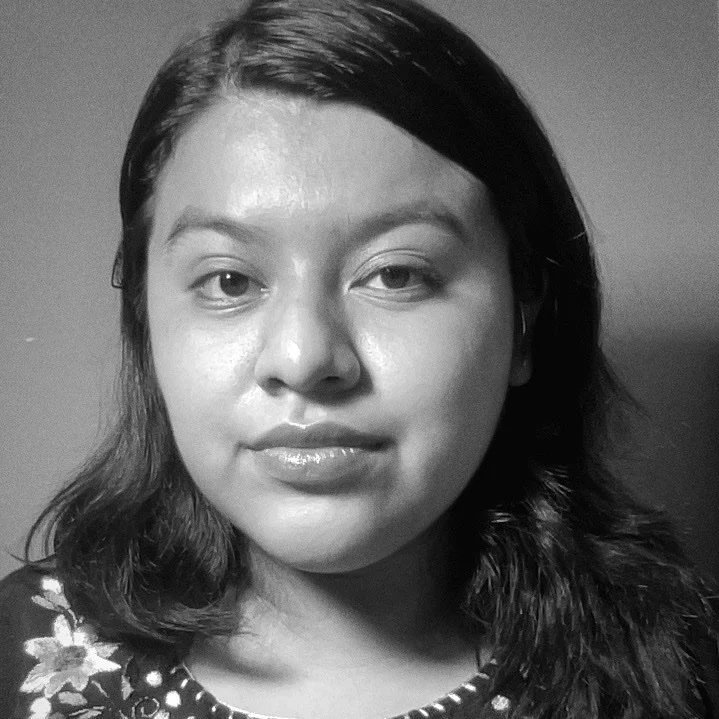
Kimberly Espinosa
Kimberly is a Zapotec community youth organizer and artist from Koreatown, Los Angeles. She currently attends New Open World Academy as a high school senior. Growing up in Koreatown has been a beautiful experience for Kimberly to connect and honor her ancestral roots by sharing dialogue and building community initiatives with other Indigenous relatives. Being raised around the elders of her parents’ family and hometown has encouraged her to actively listen and practice acts of care with the elders in her community and beyond. Kimberly’s work explores the diverse notions of home, which can extend beyond physical spaces. She was recently announced as the Youth Advocacy Recipient for the third annual Las Fotos Awards in 2021, presented by Las Fotos Project, which recognizes women-identifying and non-binary photographers. Kimberly plans to continue engaging in oral history and storytelling by documenting the stories of her relatives and community.
You Don’t Just Get a Photograph: You Get a Whole Story Behind It
Interview by Ava McCollum
Do you mind telling me your name, some of your interests, and why you joined the Koreatown Storytelling Program?
I’m Kimberly. I’m 16 years old and from Koreatown, Los Angeles. I joined the program last semester. My interest in the last cohort was the garment industry. I found particular interest in that theme because both of my parents have worked in that industry. I found out about the program while promoting it through another KYCC youth program. I found out about it a little earlier, but I didn’t have the chance to join.
This time around, I wanted to join. There were some mishaps in between because, when I was going to apply, I had something personal going on at home. I reached out to [KSP Program Director] Katherine about KSP, and I was very excited about it because I would be applying for it during the winter break of my junior year of high school. Right when I was going to apply, maybe two or three days before, my dad and I got sick. I didn’t think much of it. I was just like, Oh, it’s flu season, so we might just have a cold.
As it happened, I didn’t end up submitting the application before the deadline because my home situation was unstable. Katherine or [KSP Program Associate] Sarah reached out to me. I think they heard about me through another applicant, and then I told them what was going on at home. They were very understanding and flexible in terms of my joining the meetings because of what was happening at home.
I really wanted to join, not only because my parents worked in [L.A.’s garment district] before, but also because I love history, especially when it’s community-oriented. I like to listen to and support any initiatives around that because I feel like at school, we don’t really get that opportunity to engage with our community history and our family history. It’s more textbook-based or just mainstream stuff. I think having this program has helped me engage in that. Whereas if I hadn’t joined the program, I wouldn’t know where to start, and having this program has helped me with that.
I’m glad that KSP served as a place to help you because it sounds like it combined your interests and gave you the space to get away from what may be causing you stress. Do you mind talking to me a little bit more about your interests? You said you love history, but what do you like to do in school? I also know you love photography, so maybe you could talk a little bit about that.
At school, I just love my history classes. I didn’t start taking history classes until my sophomore year of high school. My teacher was so great. I truly think that made history 10 times better because he was teaching it from a very interesting perspective. He definitely made sure that it was balanced in terms of not only reading but also having dialogue and connecting it to current events and what was happening locally. I think that really helped [the class]. Even before, when I was in elementary school, I loved reading books.
There was a time when I didn’t have much interest in history. When I started high school, I developed an interest in it. I think it’s because of my environment at home. My parents would always have conversations about what was going on back in their home country, which is Mexico, but I didn’t understand much of it back then. I’m definitely more engaged in that aspect now, knowing not only about history but also how it’s connected and continues to affect the communities that live in those areas currently. Understanding all of that and having an awareness of the issues happening right now in history is very important to me.
Would you say that knowing more about your family’s heritage and history has fueled your interest in this? Or do you think it’s connected to your passion for history?
I think it’s definitely more because of my family. Before, it was more like, “This is what happened in history and the world.” I have that family connection a lot more now through photography, where I get to take photos of the people around me, especially my family. That’s what’s most accessible right now with COVID. Having those conversations goes back to history, and even what’s happening now is history. I’m a big fan of history and learning what happened back then, how it’s connected to now, and what we can do about it.
I know you especially love to photograph people. Can you talk to me more about photography, what it means to you, and what you like to do with it?
Well, I’ve always taken photos. I would fill up my parents’ phones with photos, and they’d always be like, ‘Why are you taking this photo? It’s not even something special.’ Obviously, I have my phone now, so I still take lots of photos. This year, at the beginning of February, I was able to join a program where I had access to an actual digital camera. At the time, so much was happening, so when I received the camera, I had the opportunity to start healing in that way through photography.
I was working on a project for the program and had to focus on a theme or subject. I thought that the best way to start healing was by connecting to my family history and community because after someone passes away, it’s nice just knowing that you can still connect with them in some way. And one of those ways is by having a photograph of them. So just knowing that motivated me to photograph the people around me.
I especially love taking portraits because I feel that after engaging in a dialogue with someone, you don’t just see the photograph as, Oh, this is the photograph; this is the way it was taken. When you read their story alongside their photograph, you get this whole new perspective that you probably didn’t have before. That’s why I love photojournalism — you don’t just get a photograph, you get a whole story behind it. I think that’s very important now, even seeing other people’s work. It’s important for me to look at that because I not only get inspired, but I also get to read stories that I probably wouldn’t have if I didn’t look for them or encounter them.
Photojournalism seems to capture all of your passions because you get a little bit of their history and also get to take their photos. I think looking at it from the perspective of a photo lasts a lifetime, and once you have that, it’s something you have forever. That’s a neat perspective. As a child, what were your interests?
That’s funny because I am still a child, but I feel like now I know what I want to do more of. Whereas before, I didn’t have something that I was very passionate about. I know some kids have sports or dancing or whatever, but I felt that I didn’t really have that before, even up until last year. I feel like I’ve just started having things that interest me that I genuinely hope I can continue to engage in — photography and journalism and so many other things that intersect.
Before, I was a little bit all over the place. I was doing a little bit of everything, and I think that’s totally fine because, again, I’m still a kid. I’m 16 years old; I’m not going to have my life figured out right now. However, I was more academically focused, making sure that my grades were good. Now I want to have fun, explore, and try different things. I probably wouldn’t have back then, because even last year, I was still very scared of trying out new things. I’m just going to go for it now! I’m still scared sometimes, but I’m hoping that I don’t let that show through. If I had been having this conversation last year, an hour before, I probably would have been tormented about what was going to happen.
Do you have any other hobbies outside of more school-oriented things? Do you watch TV? Is there anything else that you do besides photography and those hobbies?
I like reading. I’m not into all kinds of reading. I mean, it’s okay when it’s assigned, but for leisure, I am reading a lot of historical books — going back to history — and reading about stuff that we don’t learn in school. Especially in film, I think that helps break down everything. Other than that, another hobby [of mine] is hanging out with my family.
I think I was a lot more “to myself” when I was younger. I wouldn’t want to go out because of school. I was very much like, I need to get this done. That’s weird, right? As you go up in grade level, you’re assigned more homework or more stuff to do. I feel like it’s the other way around for me. School’s a priority now, but I also need to make sure that I’m doing other stuff that I find interesting. I’m keeping that balance and exploring and trying new things out.
In terms of curriculum, what do you wish was incorporated into the basic school history curriculum? What do you want to see more of?
I would love to see more than just representation. We just think of representation as one solution. It shouldn’t be a thing where it’s just like, Oh, we’re being represented and that’s it. It should go beyond that [to ensure] that the people being represented are also part of the conversation, even just by having talks with students in the classroom and hearing what they want to learn about.
This year, I’m in a sociology class, and I don’t think we ever had sociology before, so having access to it is really cool. Having conversations where I get to talk about being Indigenous is super important for me because I didn’t have that before. So many things happened during COVID, and now that I’m back in school, I definitely have a different perspective. I come into class and know what I want to learn, which goes back to being Indigenous and just making sure that we talk about stuff that’s going on right now.
I’m involved in a lot of advocacy initiatives for the climate and also the communities affected by it. Hearing about that or having those conversations at school is just as important because I only have those conversations outside of school, and it shouldn’t be that way. Those conversations could be happening at school, and students should be leading them. We have a ratio where you have a group of students and a teacher, and the teacher assigns the material you’re learning. But there should also be student feedback, where they get to decide what they want to learn because, again, they know. They know. I know that we always think, Oh, someone’s older and they know best, but students need the chance to participate in that way too.
Would you mind talking to me about important people in your life, such as your friends and family? Do you have siblings or cousins? Is there anyone you’re very close to?
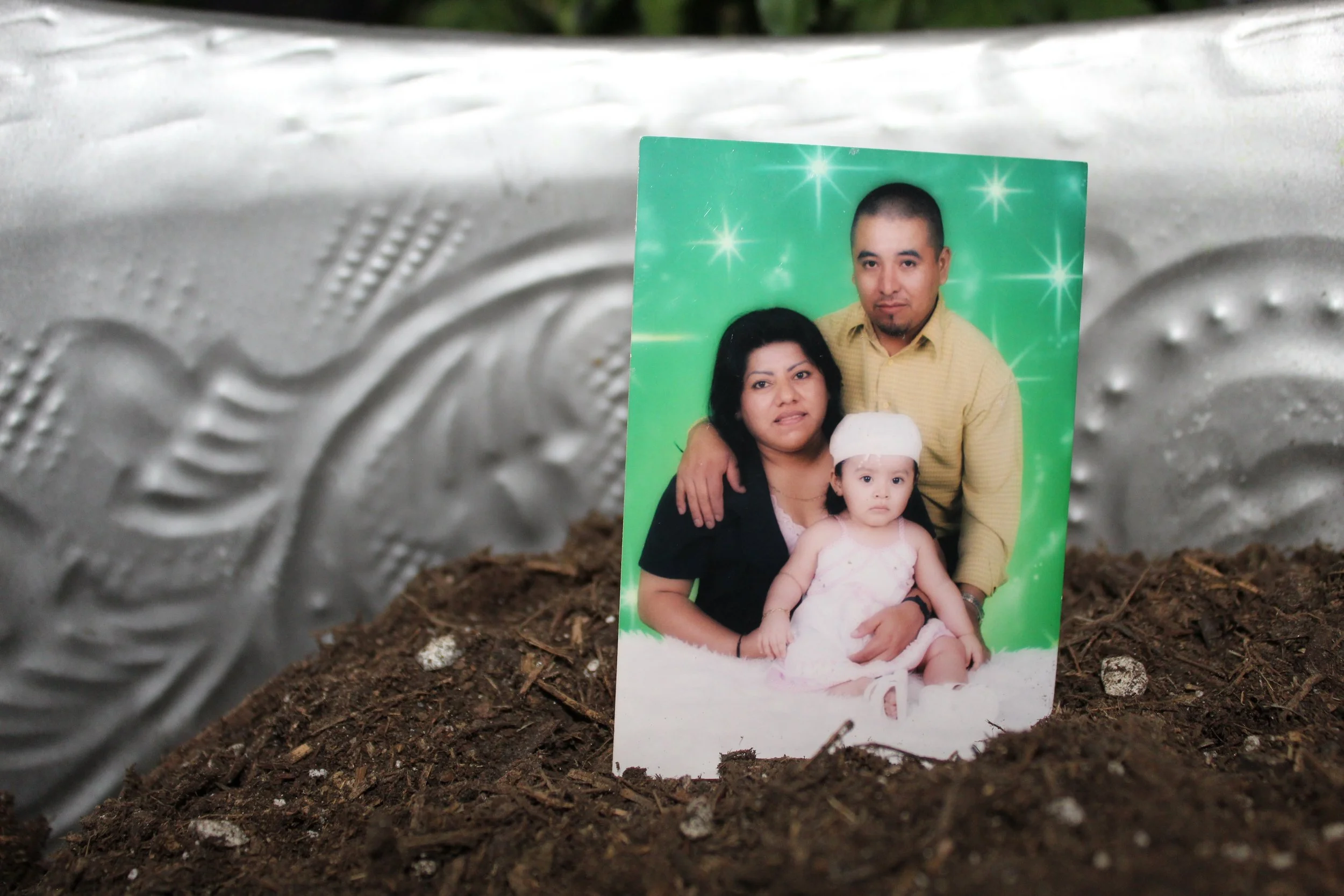
Yeah, I have my parents — well, my mom now [Kimberly’s father passed away in 2021]. My parents have been my biggest support system. I just had a dream about my parents last night, where they were at a school parent conference with me. I remember telling my mom about my dream, which felt very real to me. I was crying on the bus today because I was still in shock from it. [The dream] felt so real. My parents, even my dad — despite his sometimes working two jobs — would make time to come to school and participate in the meetings when he could.
I think that was the best thing that I had because I knew they were rooting for me, and I know my mom’s still rooting for me. Perhaps she doesn’t yell and [cheer] loudly, but I know she’s rooting for me; they are as well as Katherine. I’m so happy that I met her this year because, in terms of hobbies and community, I feel very supported by Katherine and the other staff at KYCC. I remember starting KSP as a sophomore and am now a senior; seeing that growth within myself and having them around during those times is very special to me.
Going back to my sisters, they’re a little bit older, so I’m not as in touch with them as I used to be, especially with COVID. One of them lives all the way in Riverside, and we don’t have a car, so we can’t visit them. I mean, we can, but it’s very far, and public transportation from here to there is not very accessible. My other sister does live in K-Town, but there’s just so much happening during COVID, and she’s still working.
I do interact more with my nieces. They come over sometimes, and I really get that “growing up with them” kind of vibe, which is nice because they’re pretty young. I’m just glad that I don’t have to grow up alone. I’m also growing up with my mom. She’s still growing up, even though, of course, she’s older. So many people come to mind in terms of community. I’m grateful for all of them because they check in, make sure I’m doing okay, make sure I’m hanging in there, and then tell me about these opportunities because they know what’s happening at home. It’s really nice to have that.
It sounds like you have a great family and people who support you. Koreatown has played a big role in your life. I know you’ve lived here for a long time, and now you’re getting involved in the community. Would you mind touching on how Koreatown has impacted you as a person? Perhaps it shaped your identity in ways that you did or did not realize — just like how Koreatown has played a role in your life.
I’ve lived here and gone to school here all my life. K-Town is very meaningful to me. K-Town is home in so many ways because I get to do everything here, and I’ve met many cool people here. From a young age, I have been going to meetings with my mom and interacting with people in the community. It definitely helped me identify my community in K-Town. Not only that, but it let me know what was going on here because I think it’s one thing to just live here and come home, sleep, and then go to work or school, but it’s another thing to really interact with the people who live here. It’s important to do so in order not to isolate yourself. Especially here in K-Town with gentrification now. Sometimes I don’t even know some people who live in [my apartment building], and that wasn’t the case a few years ago, before the rise of gentrification.
Living in K-Town has many highlights, but it’s also a thing where you have to realize that being part of this community means you play a role in advocating for it. It’s affected me in so many ways, living here, because I have to recognize that people are living here who don’t have the [same opportunities] to advocate as I do. You know, even having a Zoom call. For example, my parents — I have to help them out and navigate things, even if it is in person, signing up for stuff. It’s given me a perspective that I feel I need to go out there and speak with others and just listen to those around me.
I love K-Town. I love it here. I think it’s also because of my parents. I remember going to celebrations and fundraisers here in K-Town. Especially with our relatives, who are also Zapotec. I have so many memories of my mom just stopping in the middle of the street to have a 30-minute conversation with someone. And I remember telling my mom, “Okay, we’ve got to go!” I think that’s part of living in K-Town because so many of my relatives also live here. That’s what keeps it tight-knit. It’s so special here. There’s so much I could say about this, but I really love it here.