Dale Lee
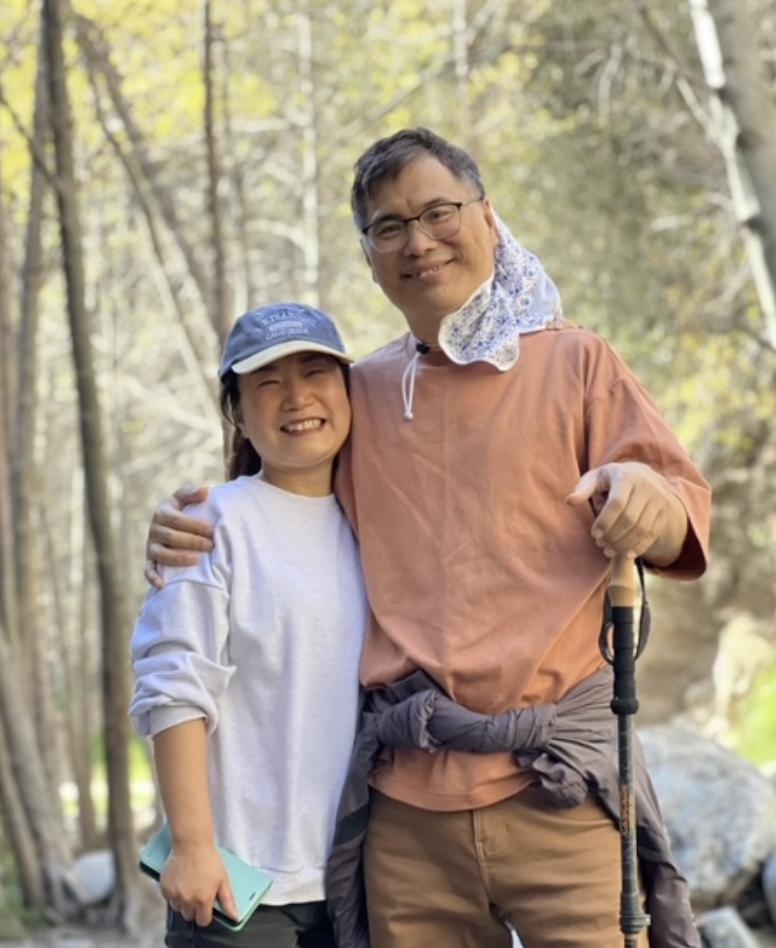
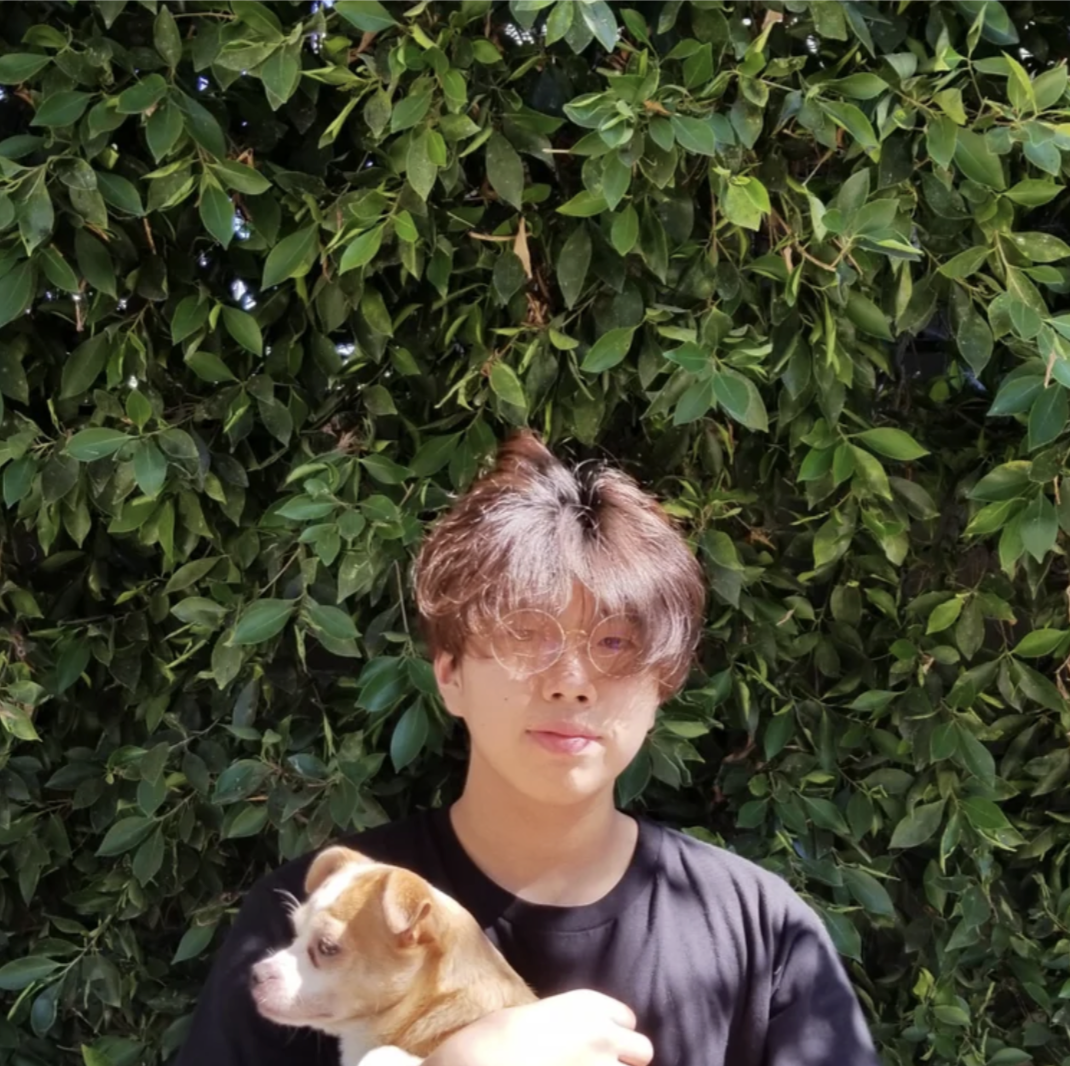
Dale is a junior at New Covenant Academy in Los Angeles. He currently works as a student reporter at his school and is interested in learning more about journalism through the Koreatown Storytelling Program. He has lived in Koreatown his whole life and wants to discover more about its history and elders. One experience he wishes to use to his advantage is his close relationship with his grandparents. He’s learned a lot listening to their stories and hopes to gain more knowledge from Koreatown elders. He also loves to play basketball and is a part of his school’s team. In the future, he hopes to attend UCLA and study engineering.
It’s Always Been Part of Me
Interview by Lucy Hwang
Where were you born?
I was actually born in La Crescenta, in Los Angeles County. I lived there for about five years. That was when my grandparents were still living with us. My parents originally immigrated from Korea to Denver, Colorado. They moved to La Crescenta about 20 years ago. La Crescenta is my real hometown, but I moved to Koreatown when I was about 5 years old. I lived in a condo next to Alexandria Plaza and went to school in Koreatown. I’m still at the same school where I was in the first grade, but I moved twice within K-Town. I like K-Town more than La Crescenta because there are more things to do, and everything is closer together since it’s not like a valley but an urban city.
Do you remember anything distinctive about La Crescenta?
We lived on a hill, so it was really steep. I was always scared of falling off the road going up to my house. I would always walk with my grandpa, and he would carry me on his back. I also remember there being coyotes and being scared of them.
Did you live in a very “homey” neighborhood?
It was a gated community. Everybody was Korean, and there were houses lined up. All of the families are Korean. It felt connected because my grandparents have had relationships with our neighbors since elementary school. They met again when they immigrated [to this country]. There’s a really strong sense of community there.
Does your family still associate with or talk to your past neighbors?
It’s been a really [long time], so I don’t think they do. My grandparents went back to Korea to visit. Then they got sick and couldn’t come back [to the States]. The main reason we moved to L.A. was that we didn’t have to take care of them anymore. That sounds kind of bad, but it was because our grandparents didn’t have to adjust to the city. My parents wanted to have a better place for my sister and me.
Do you work or live in Koreatown?
I live in Koreatown right now, and I have been here for exactly 10 years. I don’t really have a job currently, but I do enjoy a lot of extracurriculars in L.A. I also volunteer at this program, where I tutor kids who can’t afford extra help in school. That’s been a fun experience, and I’ve been doing that for about three years. It’s helped me connect with the younger kids in the community.
Do you think your volunteer experience has affected your relationship with Koreatown?
I think that it helped me connect with the people more. I also talked with the kids’ parents. I’ve always had a strong connection to Koreatown because everything is Korean, and I’m also Korean. It’s been an enjoyable experience. I’ve been able to adapt really well.
Did you have any trouble adapting to the city from the suburbs?
Well, since I was young when I lived in the suburbs, I’ve never had a connection to it. I’ve been in touch with Korean culture a lot since I was young, so it was pretty easy for me to transition to Koreatown. My parents always sent me to a Korean Saturday school for me to learn [the Korean language]. That was mainly fun, but sometimes I hated it.
What are your thoughts on Koreatown?
Koreatown is a really good community for many Koreans who have immigrated to America. It was a hard time for them when they came to a new country and had to speak a new language. Forming a community around the struggles is very important. My parents always talked about how it is much more difficult to live in Colorado than in Koreatown just because of the language barrier. I think having more Koreans around reminds them of Korea itself, so they’re not too homesick.
Do you have discussions with your parents about what life was like in Colorado compared to Koreatown?
Yeah, they talk about it sometimes. I personally would like to experience that a bit just to learn, but they always talk about how they were super busy and that it was a struggle since they had recently immigrated.
Is there a significant memory you have of Koreatown?
Well, I always loved going to the market with my mom. I guess I’ve done that ever since I was young, and it was a fun experience and sort of like bonding time. I still go every time with her, procuring groceries and such and picking up food I want to cook. I guess that’s one of the
biggest memories I have of this place. I always enjoyed that, and the markets are also really nice because they’re only Korean and have a bunch of Korean food, like veggies and other ingredients.
What’s your favorite place in Koreatown?
My favorite place would probably be the market I used to go to. It’s at Koreatown Plaza. It’s really close to my house, so my mom and I would walk there frequently. There was a market, but there were also a bunch of little stationery stores and toy stores I used to go to when I was younger. They also had a bunch of music stores, which also helped me connect with Korean culture a bit more. As a kid, K-pop, old Korean music, and some old jazz were pretty fun to listen to. Still, my favorite part of that place was the market because it was fun to look at all the food on the shelves and just pick out stuff.
How would you explain your growth in your relationship with Korean culture while you were in La Crescenta and then Koreatown? You grew up in several places, and as you said, you have an important relationship with music. How do you think you’ve grown through that?
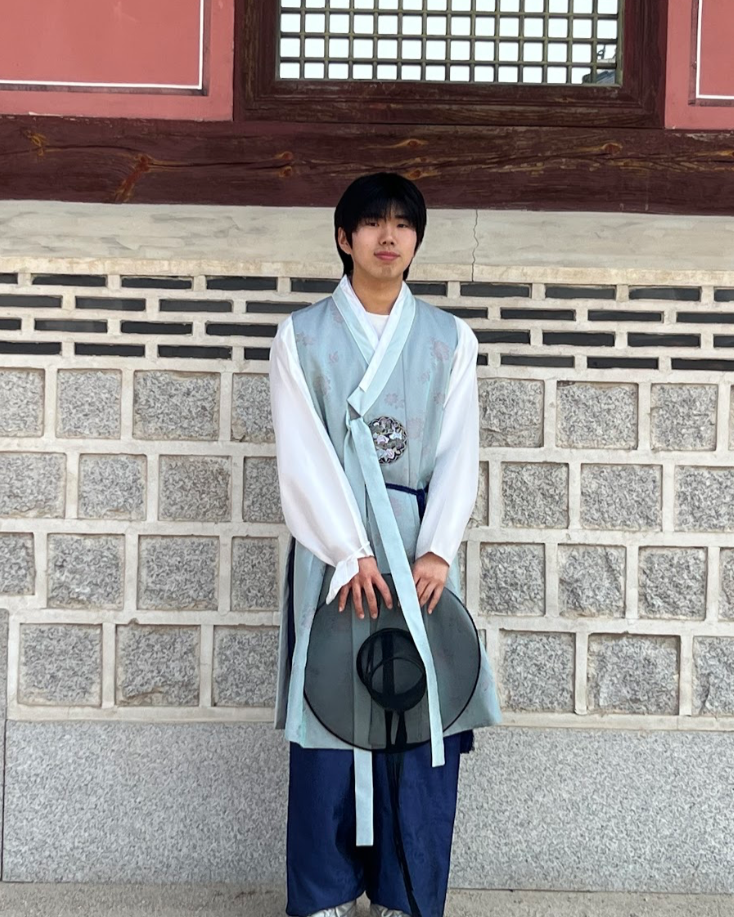
Korean culture has always been really important in the family, especially when my grandparents were still here, and they always valued that a lot. I guess some of it got washed away when they were in Colorado because they were so focused on work and just making a living. But culture is one of the most important things [to my family]. Like every New Year, we make dumplings together, and that’s really fun. I would help fill the little rice cakes. It’s always been part of me. I’m still learning a lot, but I’m very connected to it.
What’s your favorite part of Korean culture?
My favorite part about Korean culture is the importance of gathering. I always met a lot of other people, and we always did these big cooking things. We would cook large portions for everyone, and it was a fun and memorable experience for me. I met many Korean grandmas and such, and me being the cute kid, I got a lot of pocket money. I also participated in the bowing thing (the Korean Lunar New Year tradition of bowing to elders). It’s always been a big part of me.
Were these cooking gatherings with different families, or is your family just very large?
It was with a lot of different families. Since most of our neighborhood is Korean, we used to do that frequently when our grandparents were still here. It’s a good memory.
Do you still carry that on in Los Angeles?
We stopped doing that quite a while ago because of COVID and health reasons. It’s been, I guess, easier on my mom because it was hard for her to do all of that. I helped a bit, but it’s been fine. I found other ways to connect with the culture and spend more time with my family. I think it’s been more helpful in that scenario.
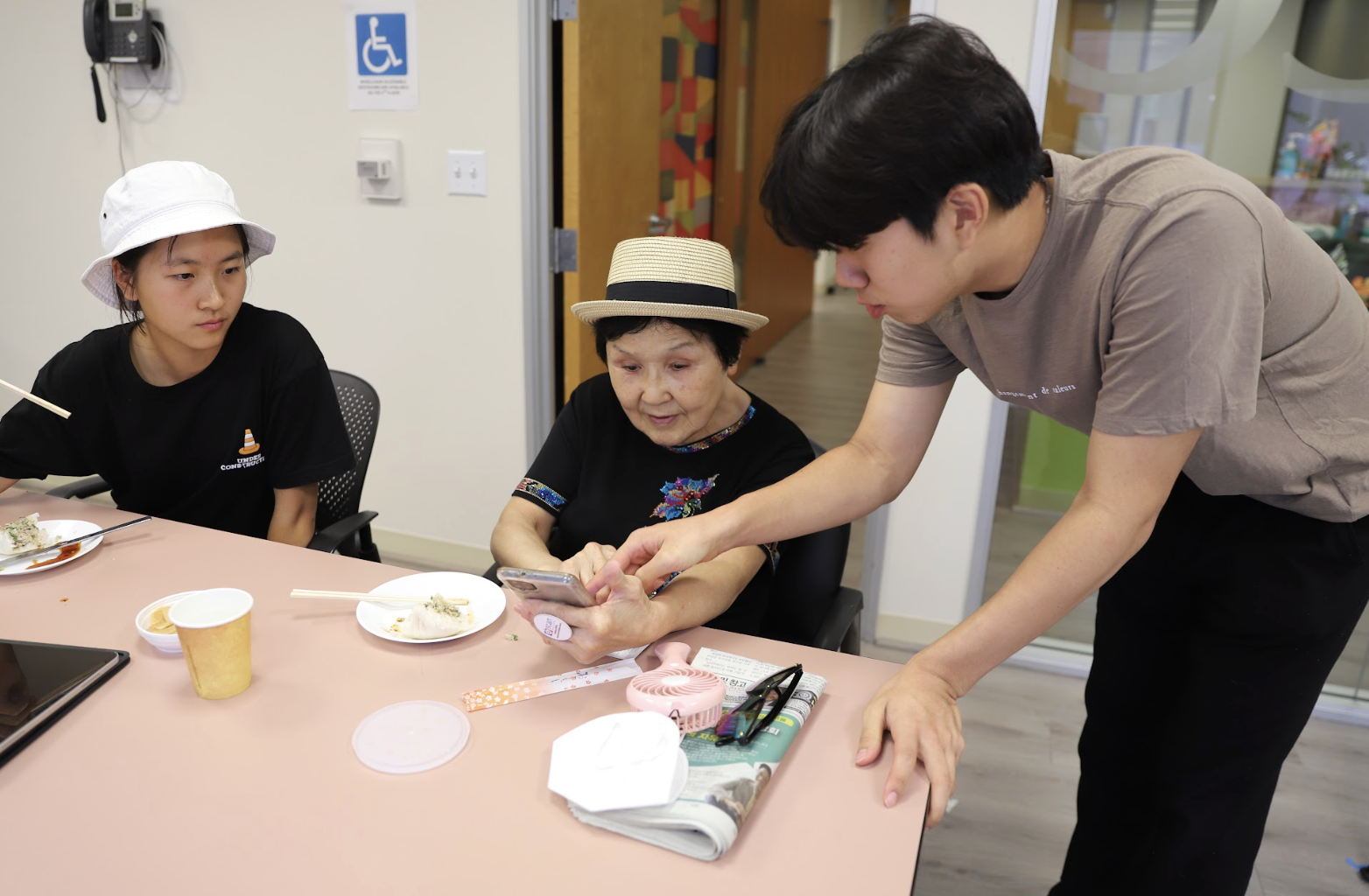
We just do it with our own family now. We still do all the different cultural traditions and gatherings — not really gatherings — but events. It’s still been fun, and I think I prefer this because it sort of helps me connect more with my parents and learn a lot more. It’s more meaningful since it’s a small family thing.
Do you think you will carry this on into adulthood when you’re possibly living away from home?
Yeah, I think I would value it a lot, and I feel like that’s how culture is handed down, just from kids doing it when they get older and then passing it down. It’s important to me that I do the same.
Do you think the intensity of the culture around you at home would continue with you, or do you think it would be shortened to just a memory and an experience you’ve had?
I think I would continue it, but I think more than mass gatherings, I’ll be doing it with my family just to create a strong bond. That’s what I’ll value more. Immigrant families that come to America assimilate into this culture — the kids more so than the parents. As the generations go by, their culture is slightly lost along the way. So, by “intensity,” I mean the strength of it. I think that since it’s a culture, it’s bound to change. The intensity or strength of it might decrease, but it’s still going to be something that’s a big part of me. I don’t think I’ll ever lose it completely.
How do you think [Korean culture] has formed your identity as a person?
I’m always speaking Korean, and I’m only speaking Korean at home. It’s become part of my identity because the things I enjoy, my hobbies, and my favorite places are all based around Korean stuff. That sounds kind of lame, but it’s important to me. My favorite music is K-pop, the shows I watch are Korean dramas, and my favorite foods are Korean foods. I think it’s a big part of me and my identity.
Do you think you will still live in Koreatown as an adult?
I think I still would. Since I’m almost a junior in high school and preparing for college and all of that, I think I want to stay in-state. It might be nice just so that I could stay close to K-Town. I guess it’s comfortable since I know the neighborhood and community. I just know my way around the city, so I think I’ll stay. I just like Korean culture. That aspect of it is really important.
What do you think you would have been like if your family had stayed in Colorado with your grandparents and your immediate family?
If I stayed in Colorado, I would definitely, to put it harshly, have been embarrassed by it. I would have sort of assimilated more into American culture. I think it would have been a much different story if my parents had stayed in Colorado.
Do you remember if there were any Koreans where you lived?
Well, I never actually lived in Colorado, so I don’t know. But my parents always said that there were only one or two [other Koreans] in the city.
Do you think it would have been any different if you’d grown up in Koreatown rather than La Crescenta?
Not much has changed since I came to Koreatown when I was young. I was only 5 when I came, so not much of my own hobbies or identity had been developed yet. I was mostly learning schoolwork and stuff like that. When I came to Koreatown, that was when I started to sort of build my own personality, and that’s what really affected me a lot, just living in Koreatown.
Would you live anywhere else in Los Angeles?
I don’t think I would. I’ve been to many different places, like downtown L.A. and other places, but I think I favor Koreatown. My parents travel a lot, and I’ve been going with them. I still think that out of all the places that I’ve been, Koreatown [in Los Angeles] is my favorite. Well, there are different cities that also have a Koreatown, like San Francisco, Chicago, and New York.
Do you have any connections, other than culture, to Koreatown?
My school is in Koreatown, and that’s where I met a lot of my friends. I do sometimes hang out with them, but it’s been hard because of COVID. Before, we’d go to some of the malls or go to a movie. Those are fun experiences, but I suppose a lot of that has died out because of COVID. I also enjoy going to the park near my house. I went there almost every day just to calm myself and [relax]. I’m starting to go out again, to go to the park, but I haven’t been going out too much in the last year.
Which park is that?
I forgot the name, but I live right next to it — two blocks away — so I could easily walk there. I live near a lot of things. I am not too far from a mall, like three or four blocks away.
So you live in the middle of the Koreatown area.
Yeah, it’s almost like the direct middle, and there’s a little community of houses there — that’s where I live.
Have you lived in any other part of Koreatown?
Right before where I’m currently living, I used to live in a condo on 6th Street. It was so busy and loud. Coming from La Crescenta, I wasn’t used to hearing that much noise, so I was sort of bothered by that as a kid, and that’s another reason why we moved.
Does your current neighborhood remind you of La Crescenta?
I would say that it’s nice because this community, this row of houses, is also majority Korean. It’s sort of easy with my neighbors, and my neighbors are a Korean grandma and grandpa, so it’s really fun having a little garden with them, and we share sometimes.
Is it a community garden?
It’s not exactly a community garden, but we share when we have excess because it’s part of the tradition, I guess. Whenever we have excess veggies or fruits, we give them to our neighbors as gifts.
That sounds similar to the gated community in La Crescenta that you mentioned. It’s funny because I didn’t think people associated with their neighbors in the city.
Oh, it’s always been like that, but it’s not like in the cartoons or movies where everyone knows each other.
Do you have anything you want to share, like a memory or a favorite experience you’ve had in Koreatown?
Well, something nice about Koreatown is that it’s close to the beach. I like going to the beach frequently with my family and friends and just looking at the ocean because it’s really calming. It’s always fun to go there and walk on the pier or go around the shops near the beach. That’s one of my favorite parts about living in K-Town — how it’s sort of central in L.A. and easily accessible to everything.
Is there anything else you’d like to share about Koreatown?
My favorite restaurant would have to be this one little store called Han Kook Soondae. My family and I have been going there for over 10 years, so we’re very connected to the people who run the business. It’s been a good place to eat a warm meal. That’s one of my favorite places to go.
Are you guys acquainted with the owners?
Yes, it’s just a husband and wife who work there. Sometimes we get free extras or don’t have to worry about paying since we’ll pay the next time we go — that sort of relationship.
Is there anything else you want to say about Koreatown?
I really like the art in Koreatown. I also like the parks. Whenever I go to the parks, I see murals and graffiti. It adds a sort of vibrance to the city. It’s cool to feel part of that [vibe] since I live here. It’s just a really fun, vibrant, alive city and community.