Explore Our Stories
-
![]()
Billy Yoon
Billy Yoon is a third-generation American Korean born and raised in Mid-City Los Angeles, where his family has lived since 1954. The grandson of early Korean immigrants, he left a pre-med track at UCLA to pursue art, going on to teach for 15 years and earning national recognition for student-painted murals. Today he owns Koreana, a storied Koreatown shop with one of the world’s largest collections of vintage Korean artifacts — and a living piece of L.A. Korean American history.
-
![]()
Kaylee Cho
Kaylee Cho is a first-generation Korean American climate resilience specialist at KYCC in Koreatown, Los Angeles. After pivoting from pre-med to public health at UCLA — shaped by her father’s health struggles and a growing curiosity about how environment and zip code determine well-being — she found her calling in community-based environmental work. Now leading the Keep Koreatown Environmental Equity project, she focuses on extreme heat adaptation for one of L.A.’s most vulnerable communities, driven by the belief that resources should come to the people, not the other way around.
-
![]()
Connie Chung
Connie is a second-generation Korean American city planner and Managing Partner of HR&A Advisors’ Los Angeles office. Born and raised in Pacific Palisades, she found her calling in urban development after earning a graduate degree from MIT. Over 12 years at HR&A, she has led landmark projects in parks and public space — including Boston’s beloved Lawn on D — while championing equitable community engagement and climate resilience. A lifelong Angeleno and mother, Connie is driven by the belief that great public spaces create a true sense of belonging.
-
![]()
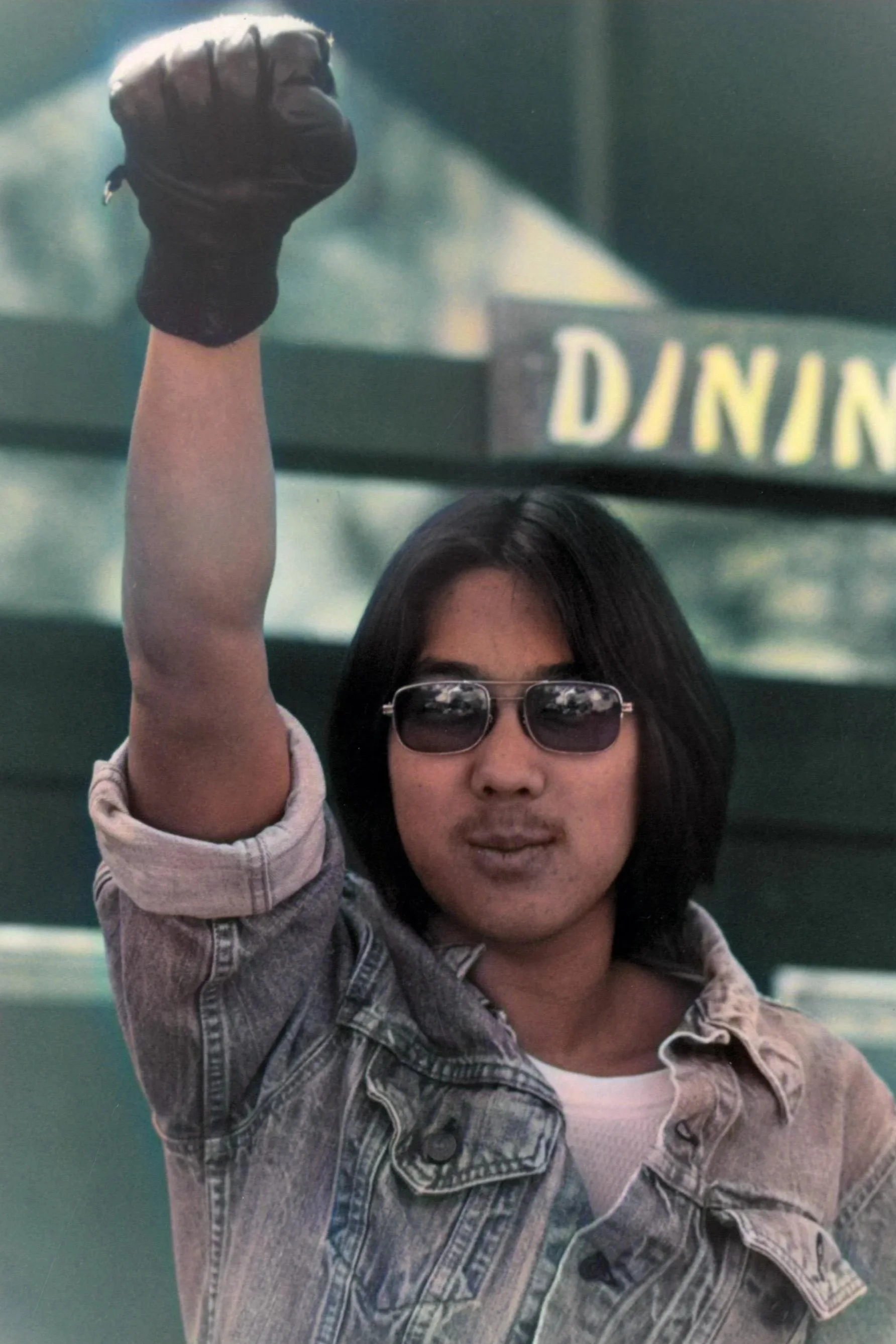
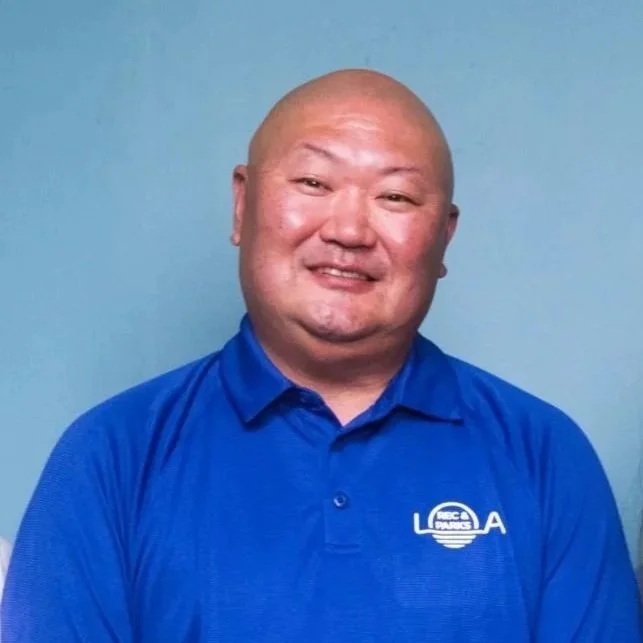
Jimmy Kim
Jimmy Kim is a Korean American born and raised in Koreatown and the first Asian American General Manager of the LA Department of Recreation and Parks. The son of immigrants, he found his path through a city youth employment program in 1995 — a moment that steered him away from trouble and launched a 28-year career in public service. Rising from junior lifeguard to emergency manager, he now champions equitable park access for all Angelenos, guided by the belief that parks offer the same lifeline they gave him growing up.
-
![]()
Han Jik Kim
Han Jik Kim is a licensed Acupuncturist with over 25 years of experience in clinical practice and teaching. He specializes in acupuncture, herbal medicine, and oriental medicine classic texts such as Shang Han Lun, Jin Gui Yao Lue, and Wen Bing Xue.
-
![]()
Lauren Kim
Lauren Kim is a 26-year-old Korean American urban planner, whose work is deeply influenced by her family's legacy of traditional healing.
-
![]()
Sion Kim
Sion Kim (김석연) is a Korean beekeeping expert with extensive knowledge of traditional beekeeping methods and the healing properties of bee venom.
-
![]()
Sae-joon Oh
Dr. Sae-Joon Oh, born in Seoul in 1965, is a licensed acupuncturist and healthcare professional based in Koreatown, Los Angeles. From a young age, he aspired to become a doctor or establish a senior care and wellness center to support the elderly.
-
![]()
Junwoo Kim
Dr. Junwoo Kim serves as the OMC Director at Dongguk University Los Angeles. He holds a DAcHM and an MSAOM from South Baylo University, and a B.S. in Biological Science-Biochemistry from the University of California Irvine.
-
![]()
Gwang-hun Kim
Kim Gwang-hun, a 56-year-old Korean-born acupuncturist, has lived in Koreatown, Los Angeles, since immigrating to the U.S. in 2000. Growing up, he had no particular childhood dream, as the focus was on graduating quickly and securing a stable job.
-
![Edith Rincon]()
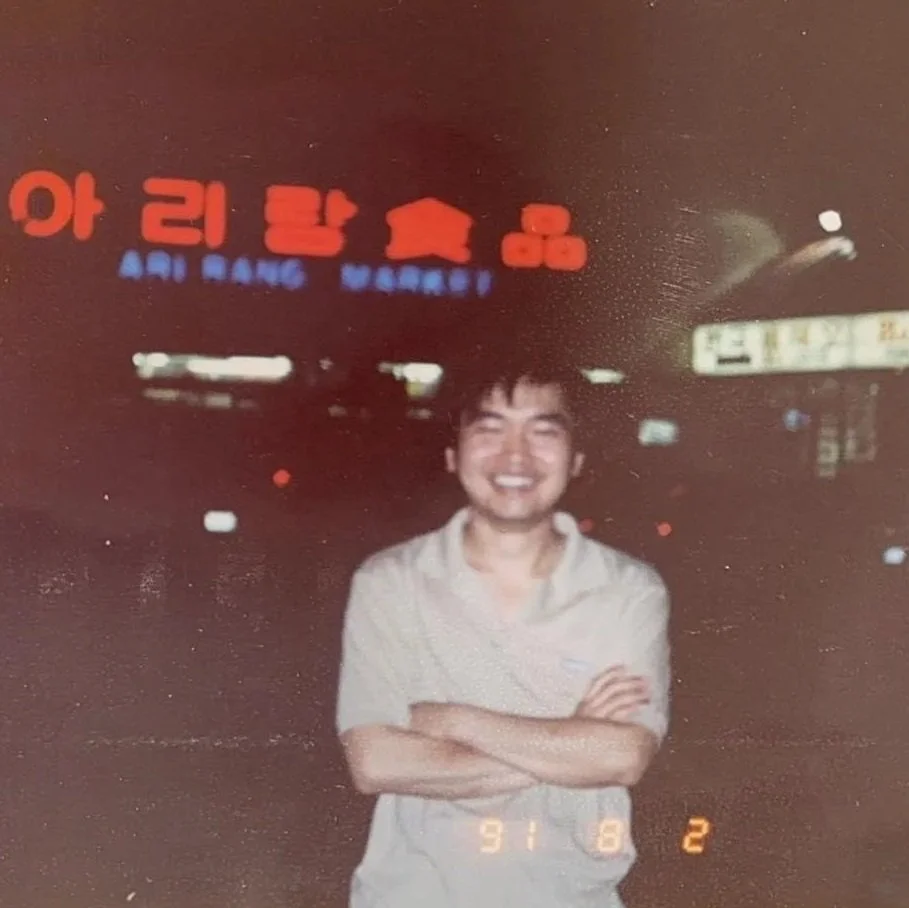
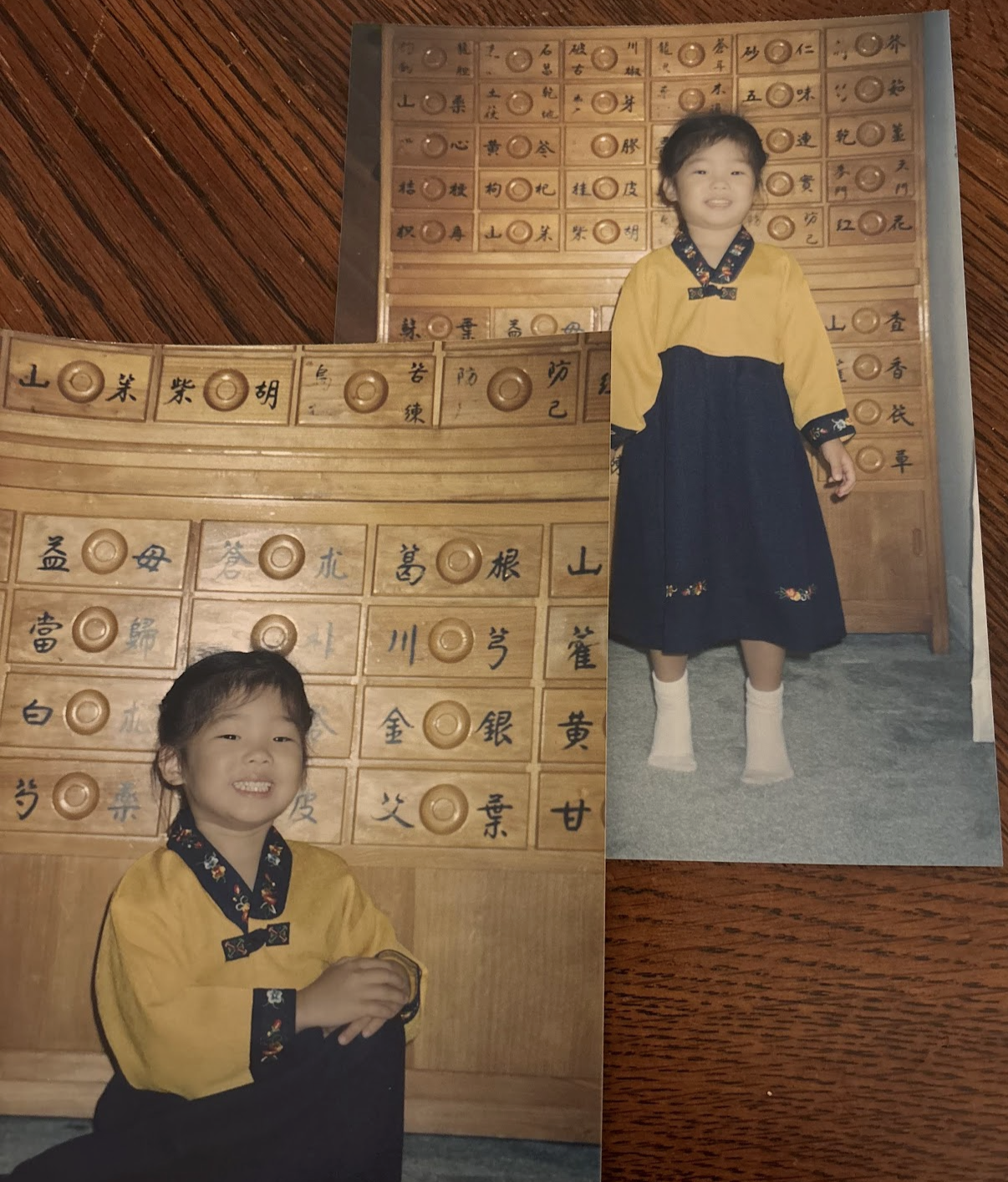
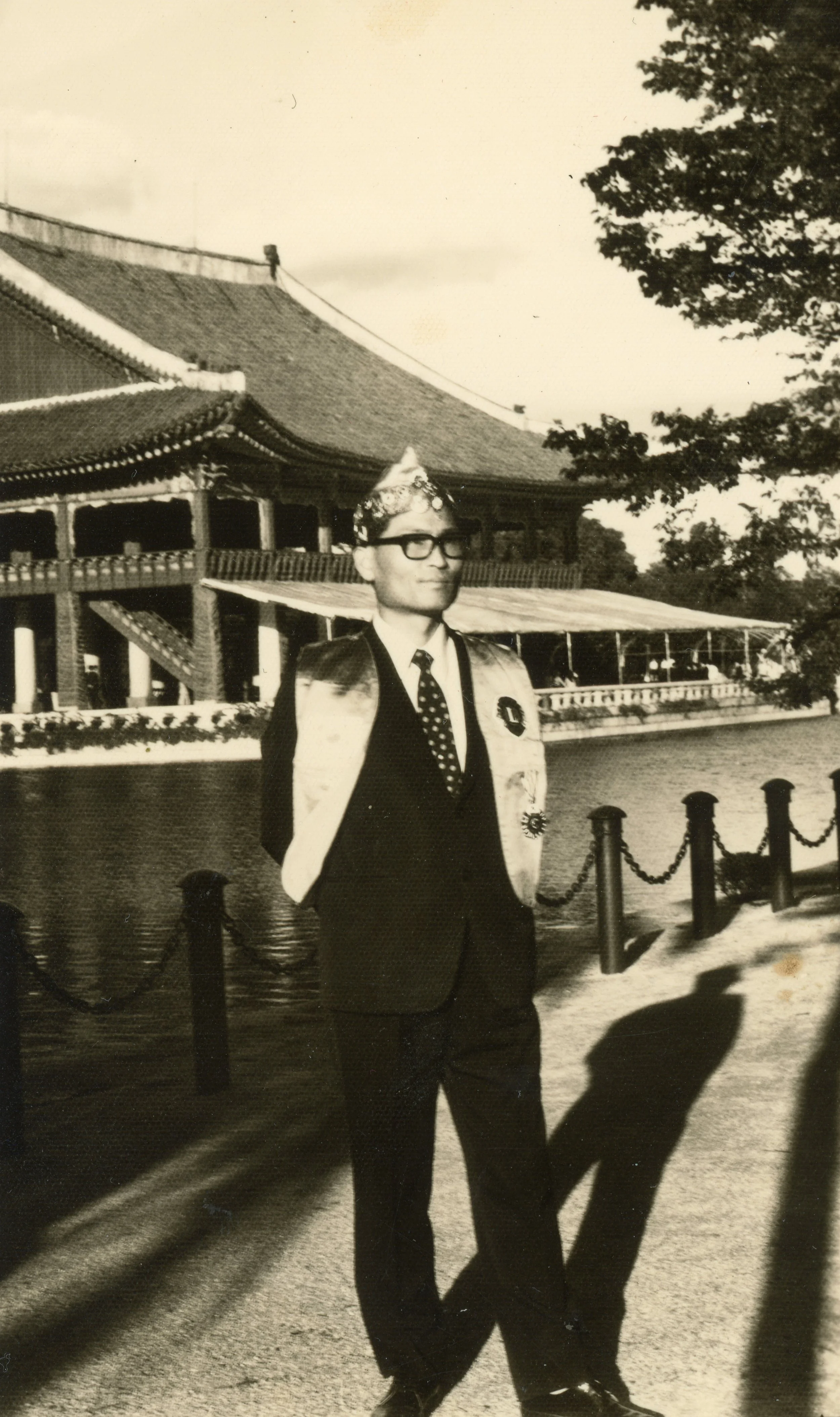
Edith Rincon
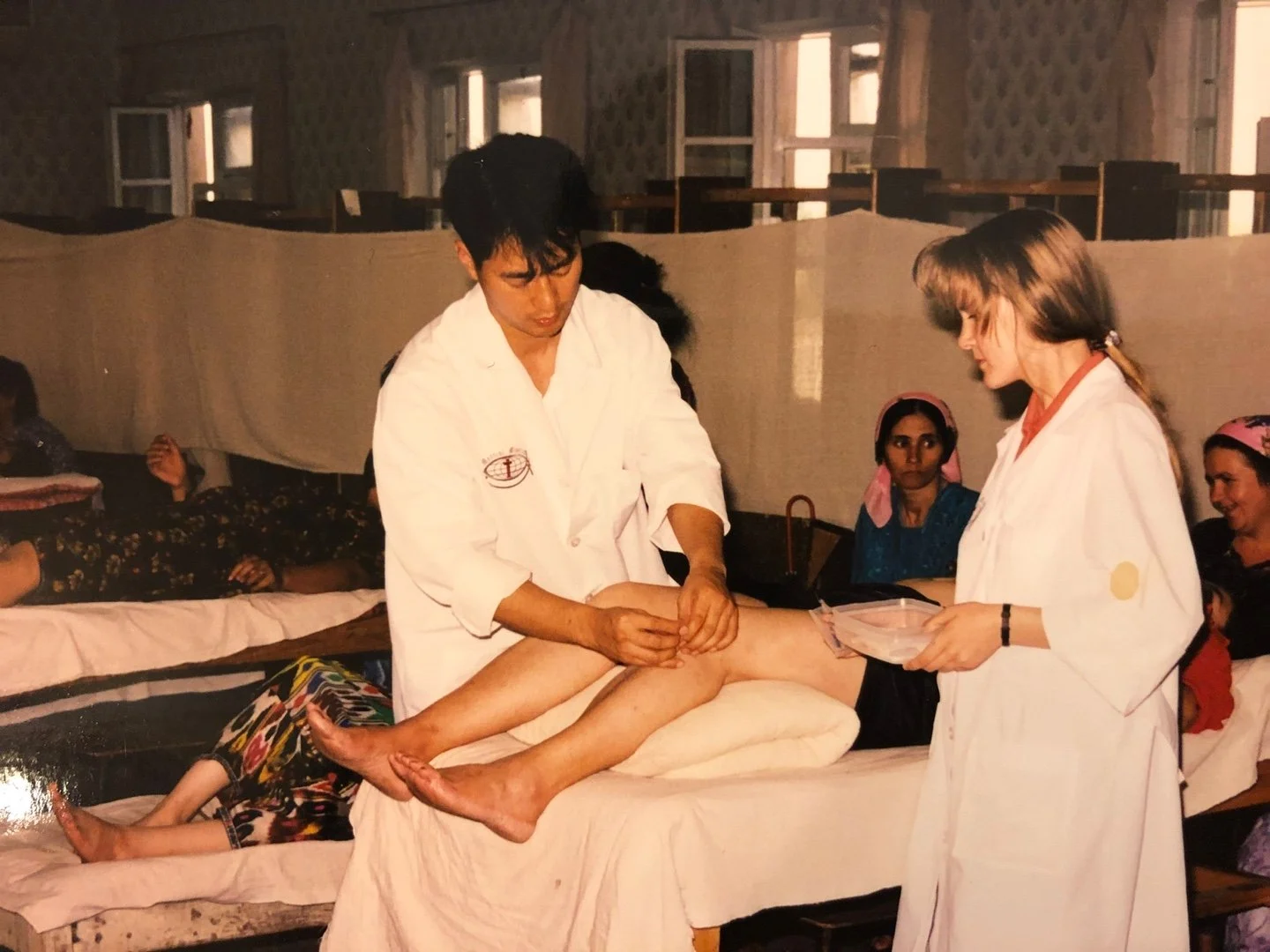
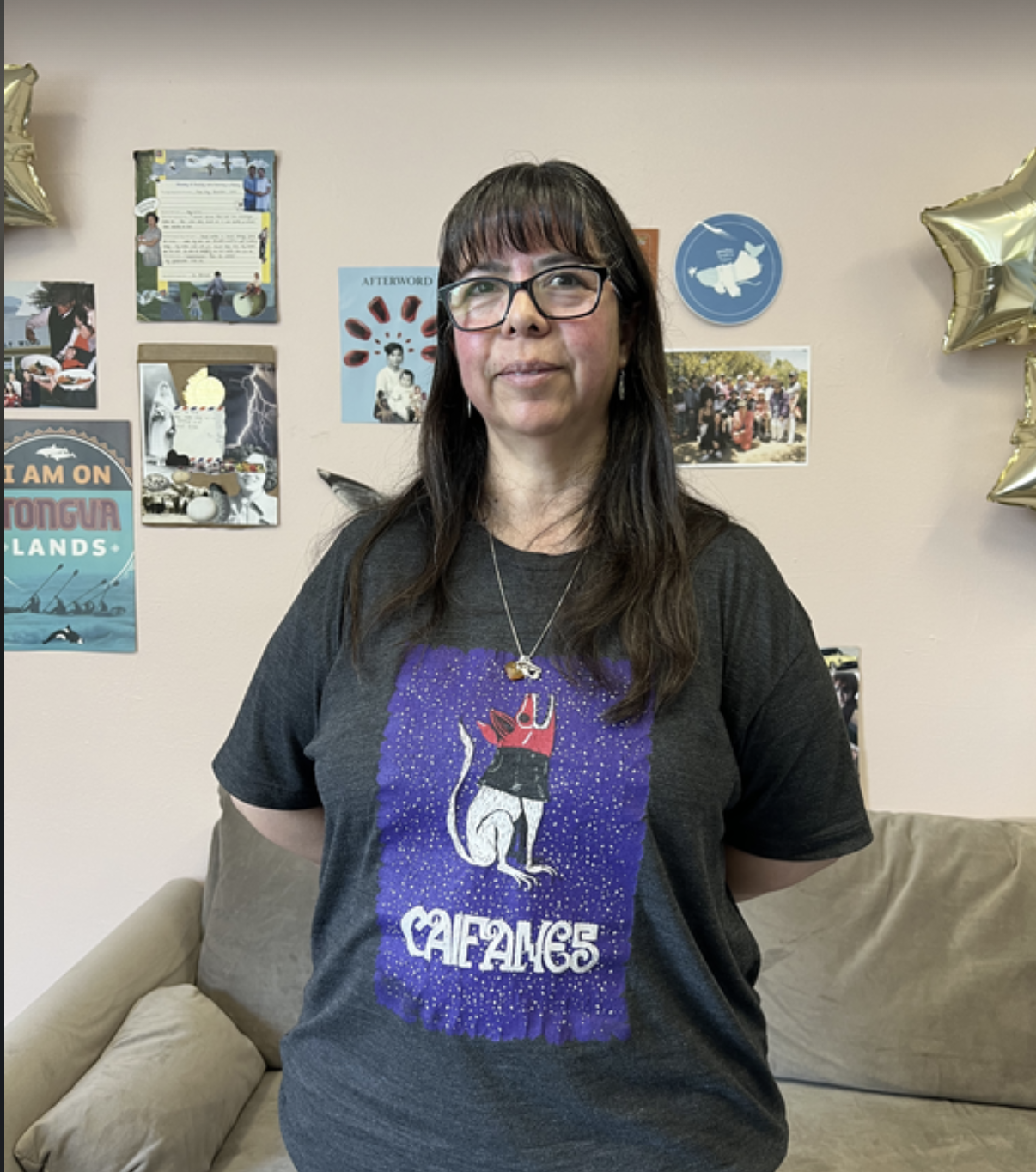
Edith Rincon is an Intuitive Energy Practitioner with over 20+ years of teaching experience in the public school system.


-
![]()
Sydney Rogers
Sydney Rogers, also known as Miss Barbie-Q, is a multi-disciplinary artist, activist, Drag performer, consultant, and Koreatown resident. In this interview, she speaks on her complex feelings about Koreatown, her journey from homelessness to sobriety, her introduction to Drag and how the art form has changed over time.
-
![]()
Vida Marie Adams
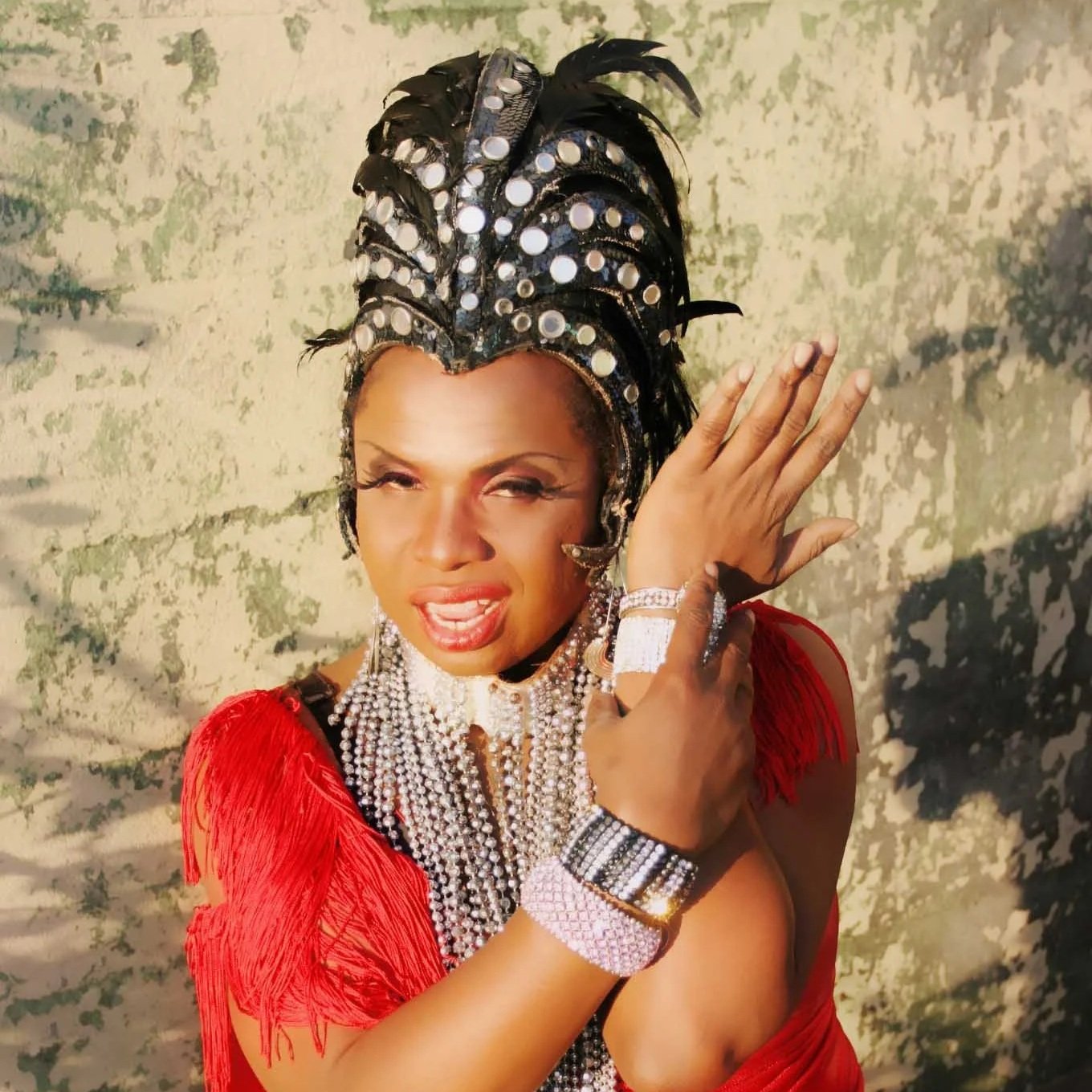
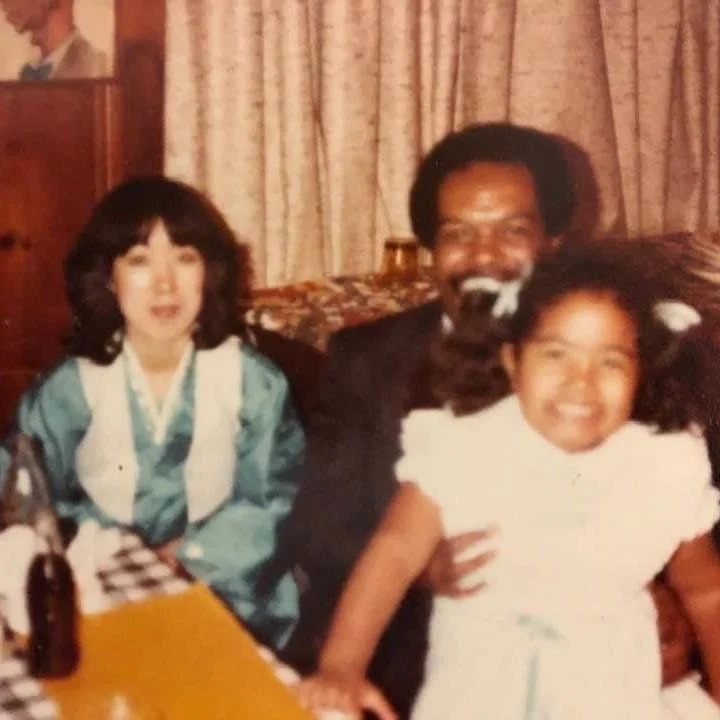
Vida Marie Adams grew up in Los Angeles’s Koreatown as an only child to a Korean mother and a Black father. She shares her experience as a Korean American of mixed heritage living in Koreatown, which involved both a struggle to feel accepted as well as a strong, intimate connection to the neighborhood.
-
![]()
Judy Han and Jennifer Chun
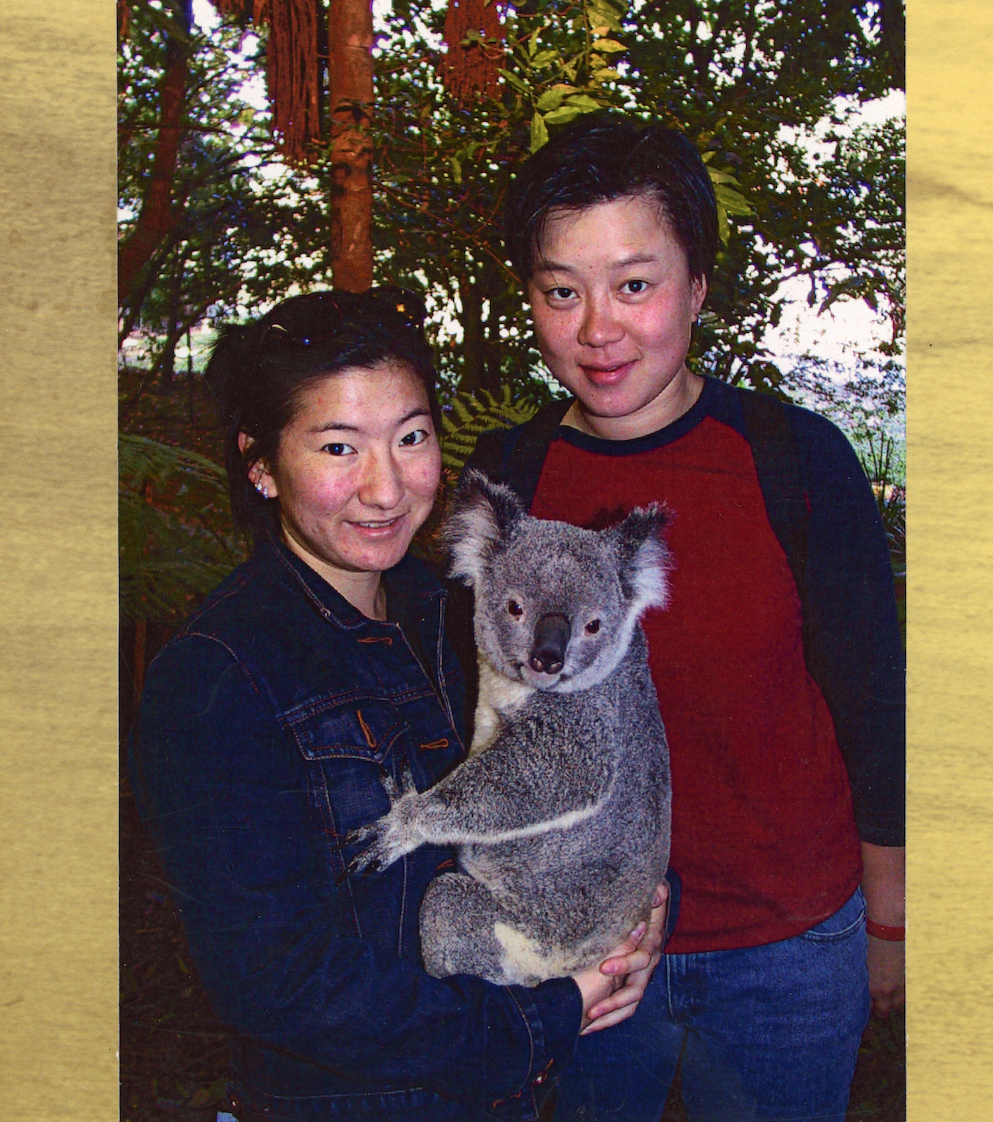
Judy Han and Jennifer Chun speak about their individual experiences as queer Korean Americans, how they met, and the fears they faced in expressing their identities, especially in Korean spaces.
-
![Jamie Issuh]()
Jamie Issuh
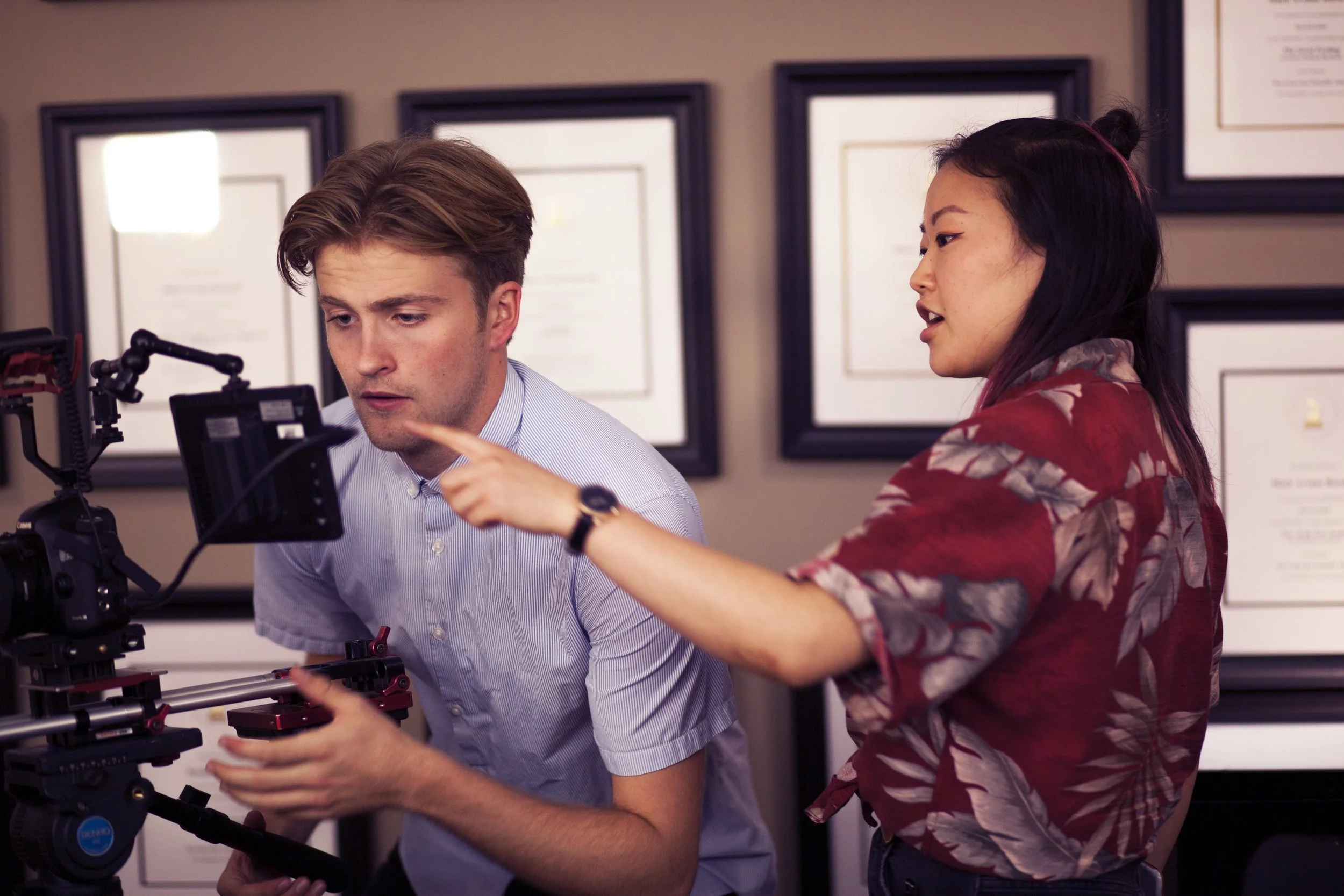
Jamie Issuh describes herself as a queer Korean American Renaissance woman, and is a producer, director, designer, and host. She talks about her experience exploring and reconciling her identities as both a Korean person and a queer person.
-
![Vicky Tesorito]()
Vicky Tesorito
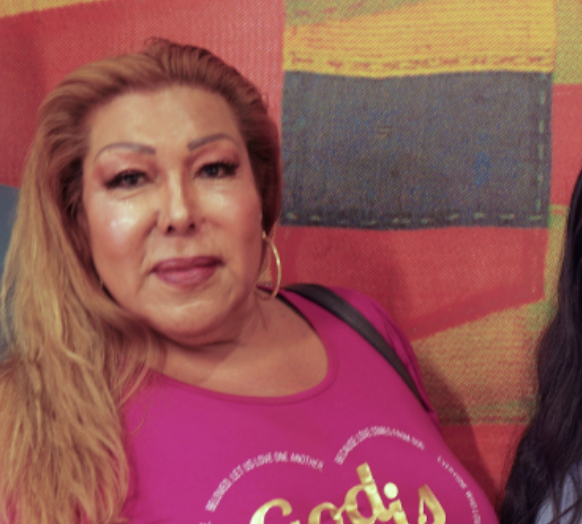
Vicky Tesorito is a trans woman from El Salvador who has lived in Koreatown since her teens. Tesorito shares with us how she has built community at the Guatemalan Resturarant Paseo Chapin , found opportunity, difficulties and love in Koreatown.
-
![Lori Song]()
Lori Song
Lori Song, a Korean-Japanese American, describes her journey through her childhood and teenage years as she explored cross-dressing, navigated her identity, and began coming out as trans to her friends and family.
-
![]()
Lana Yu
Lana Yu, who grew up amid the Korean War, later immigrated to Los Angeles to start a family, and reflects on how she overcame deep-rooted stigmas to embrace her son—and others in the LGBTQIA+ community—with unconditional love and acceptance after he came out as gay.


-
![]()
Ofelia Z.
Ofelia was born in Puebla, Mexico. She immigrated to the U.S. in 1991 to join her father and has been living in Los Angeles for over 17 years. She began working in the garment industry through a connection made by her aunt and was a threader at a factory in downtown Los Angeles for a few years. She is currently working at McDonald’s as a cleaner and cook.
-
![]()
Petra H.
Petra was born in Guerrero, Mexico. She used to work as a seamstress in the garment industry in downtown Los Angeles. Previously, she worked as a caregiver for young children. She has over 17 years of experience in the garment industry. She is involved with the Garment Workers Center, speaking to other workers about their right to fair wages and workers' compensation for repetitive stress injuries. She lives in Los Angeles with her two daughters.
-
![]()
Jamie K.
Jamie was born in Seoul, South Korea, but immigrated to Los Angeles when she was around 8 years old. She has been living in Los Angeles for over 30 years. Jamie works in the garment industry as part of her family’s business, importing fabrics and garments from large manufacturing companies overseas. During the pandemic, Jamie worked at a nursery, where she cultivated her love of plants.
-
![]()
Luz H.
Luz was born in Veracruz, Mexico. In Mexico, she spent 18 years working as an elementary school teacher. Luz eventually immigrated to the U.S. in 2003 and has been living in Koreatown since. She first began working in the garment industry as a cashier, then later as a machine operator. She is the mother of three daughters and grandmother to three grandchildren. Luz is an active member of various community-based service and empowerment organizations in Koreatown.
-
![]()
Nikki L.
Nikki was born in South Korea but immigrated to Miami, Florida, in 1985, where she grew up. She eventually moved to Southern California in 2002. In college, she studied fashion and later entered the garment business through her family’s business in Miami and Los Angeles. Nikki has been working in the garment district for over 25 years and currently manages a clothing shop.
-
![]()
Jung Koo K.
Jung Koo was born in the Gyeongsang Province, South Korea, and immigrated to Texas in 1975. In 1976, he moved to Los Angeles’ Koreatown with his wife and three children. Jung Koo’s first job in L.A. was at a sewing factory in the Garment District, and he later managed his own clothing store for around seven years. Jung Koo was twice elected as the president of the Korean Seniors Association. He was the inaugural president of Los Angeles’ March 1st movement organization and was a board member of the Korean American Council.
-
![]()
Kimmy K.
Kimmy was born and raised in South Chungcheong Province, South Korea, where her parents were farmers. At the age of 12, she immigrated to the United States. She received her M.F.A. in San Francisco and then began working as a graphic designer in the garment industry. She currently lives in Koreatown and works in downtown Los Angeles, doing screen printing in the Los Angeles Garment District. During the pandemic, Kimmy worked on designing and creating personal protective equipment (PPE) for the community.
-
![]()
Lizbet C.
Lizbet is a case manager at the Garment Worker Center. She grew up in Los Angeles as the daughter of two garment industry workers. Lizbet is involved in running the wage clinic, a space where workers can speak about wage and workplace-related issues. She assists workers in educating them about their rights and filing wage claims at the Labor Commissioner’s Office in Los Angeles. Lizbet has been working at the Garment Worker Center for over three years, first as an administrative assistant. She has also been part of a variety of brand campaigns, including a campaign to eliminate piece-rate compensation at Ross and SB62 (also known as the Garment Worker Protection Act), which Governor Newsom signed on September 27, 2021, banning piece-rate pay.
-
![]()
Rachel G.
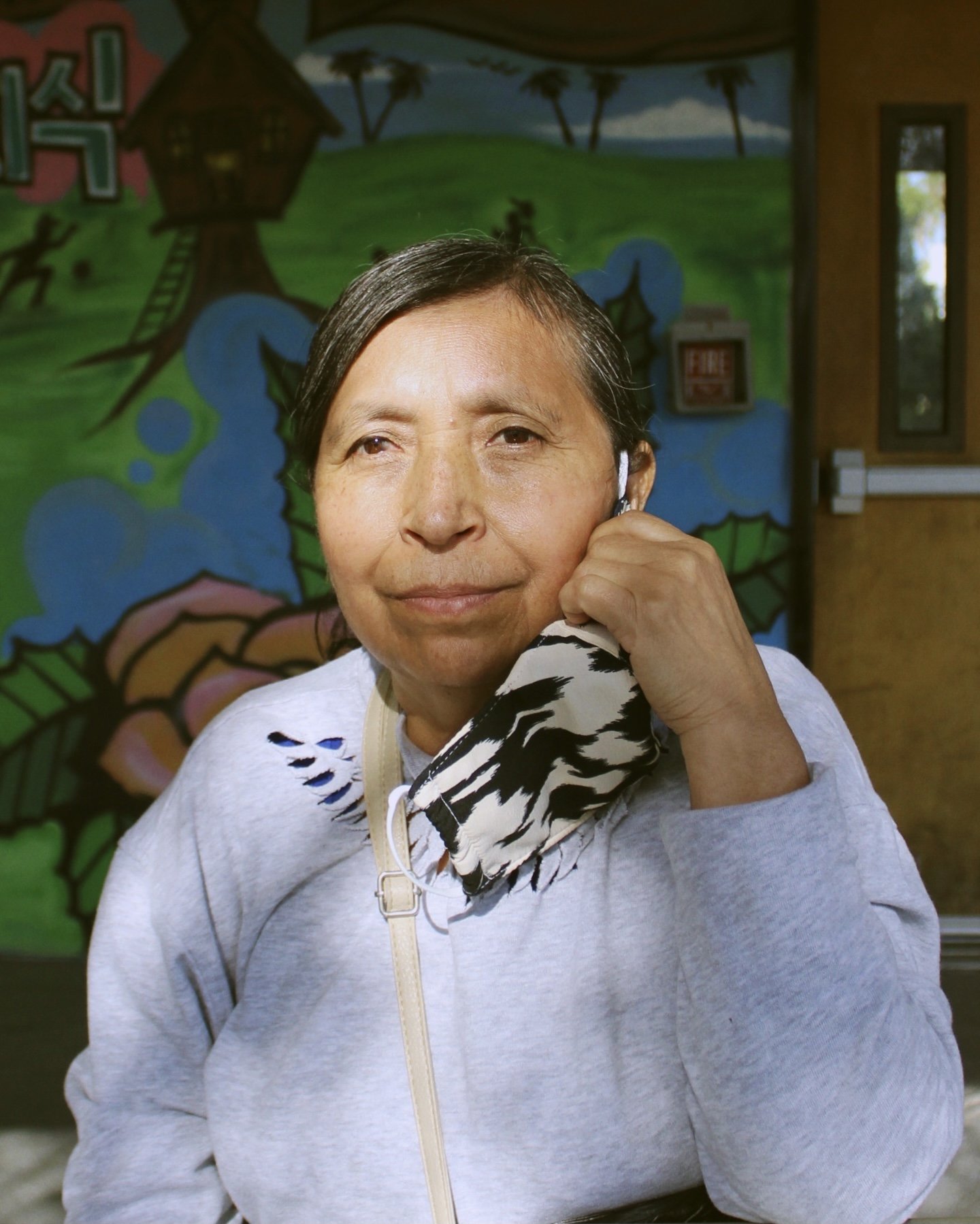
Rachel works in the garment industry as a senior buyer, responsible for purchasing goods for use. She has extensive experience in the fast fashion industry, having worked in the space for over 10 years, first at Forever 21 and then throughout downtown Los Angeles. Throughout her professional experience, she has witnessed the rise and fall of numerous trends, as well as the shifting racial dynamics and growing environmental awareness within the industry.




-
![]()
Joanna Kim Selby
Joanna Kim Selby, a first-generation Korean American and longtime Oakland resident, shares memories of her childhood during the Korean War, her family’s displacement, and their resilience. Immigrating to the U.S. in the 1950s, she faced culture shock and homesickness before helping build Oakland’s growing Korean American community. Over time, she forged her own path—serving as a Commissioner for Alameda County’s Adult and Aging Services and founding the East Bay Korean-American Senior Services Center. Today, she remains an advocate for social services and urges younger generations to find strength and purpose in community.
-
![]()
Kevin Yoo
Kevin Yoo is a first-generation Korean American businessman who opened multiple businesses, from wig shops to Korean restaurants, across the San Francisco and East Bay area. In this interview, he shares his story of growing up in poverty in the Korean countryside, and how he envisioned a brighter life for himself. He eventually made his way to Northern California, putting himself through additional schooling and taking on new jobs to build his new life.
-
![]()
Pat Lee
Pat Lee, longtime Oakland resident and founder of KP Asian Market (formerly Pusan Plaza). During this interview, she reflects on her journey from lonely nights after immigrating in 1972 to helping build the first Korean market in the East Bay. Looking back, she remembers the warmth of the close-knit Korean American community in Oakland that provided strength during difficult seasons. As she’s witnessed changes in her community throughout the years, Lee is grateful for the unchanging fact that the U.S. is a land of opportunity – for her and countless others.
-
![]()
Yonsuk Dallas
Yonsuk Dallas, is a longtime resident of Oakland’s Koreatown. In this interview, Dallas reflects on a life shaped by war, migration, love, and loss. Born in Tokyo and raised in Seoul, she recalls memories of wartime Japan in the 1940s before moving to South Korea. She also shares about her experience with familial loss and grief, which prompted her to move to the U.S where she found healing through new community, art, and companionship. She particularly found a new home through Jikimee, a senior leadership program at the Korean Community Center of the East Bay that connected her and other immigrants to resources for healthcare, voting, and wellness.
-
![]()
Alex Hahn
Alex Hahn, the Korean American real estate investor who pioneered the establishment of Oakland's Koreatown. In this interview, Hahn shared how he brought to life his vision to build a Koreatown in Northern California, bringing Korean businesses, culture, and community to Telegraph Avenue. Looking back, Hahn reflected on his view of true success – and why unity, hard work, and heart matter more than wealth or status.
ALEX’S STORY →
-
![]()
June Lee
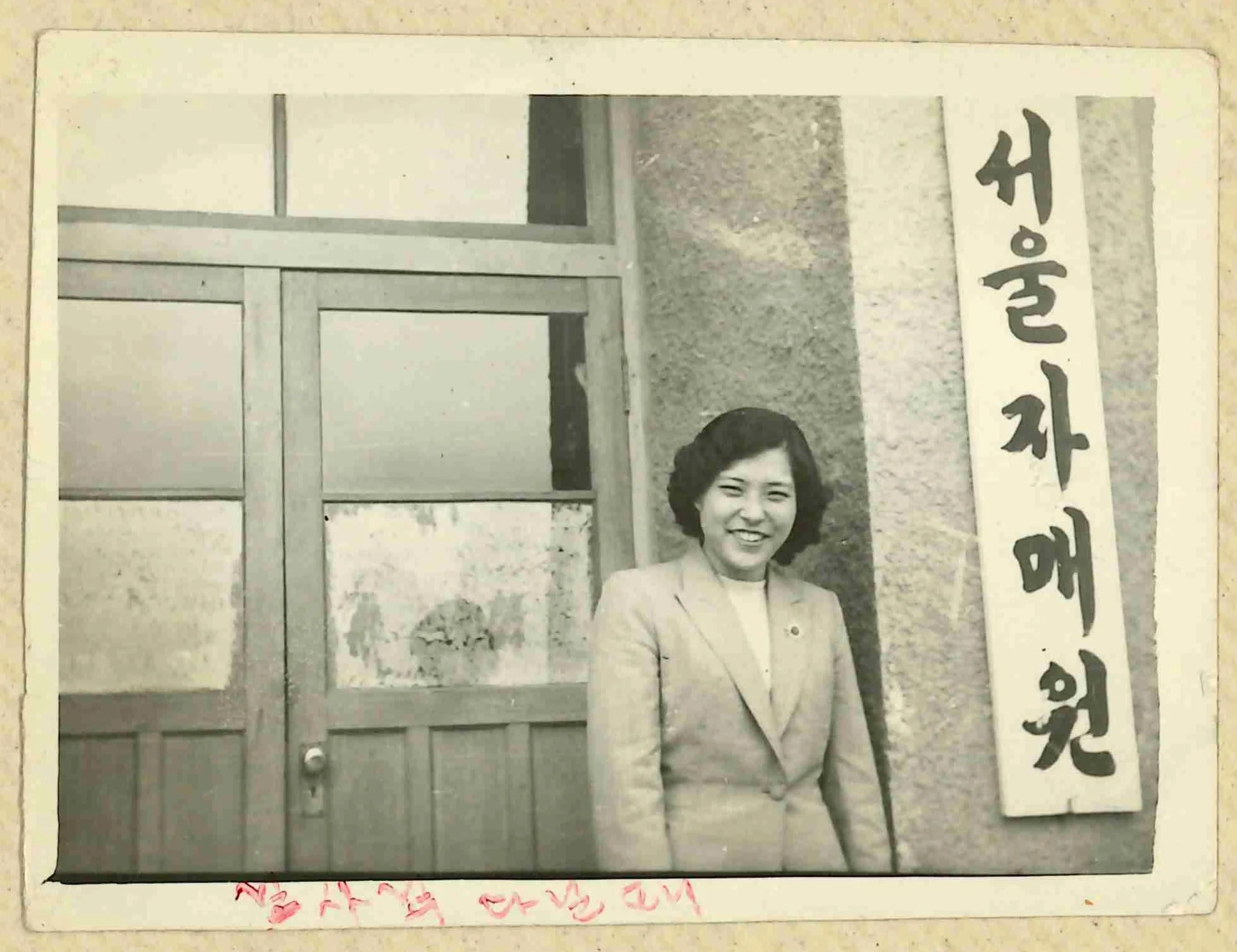
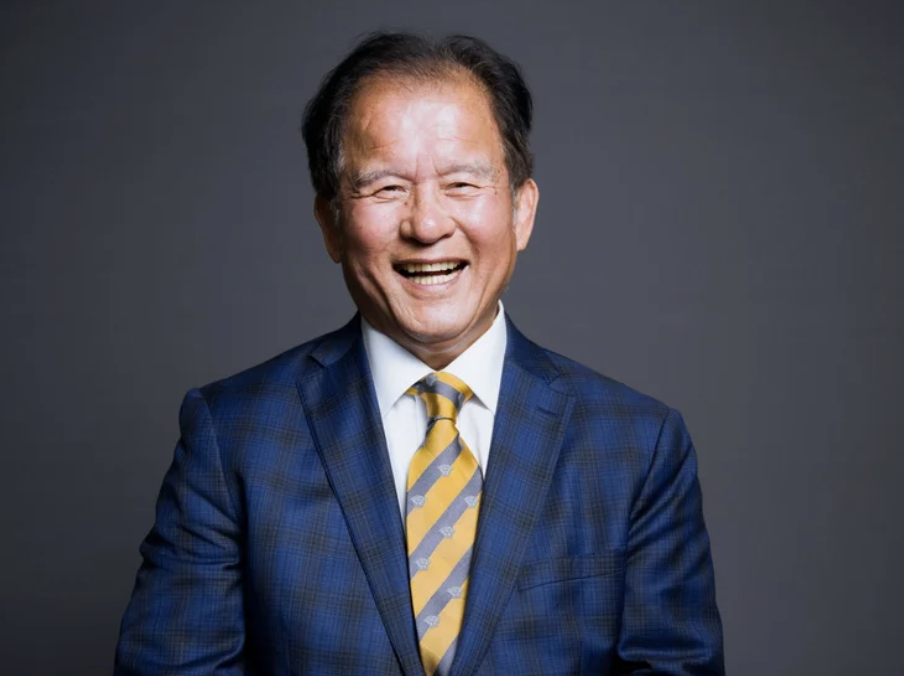
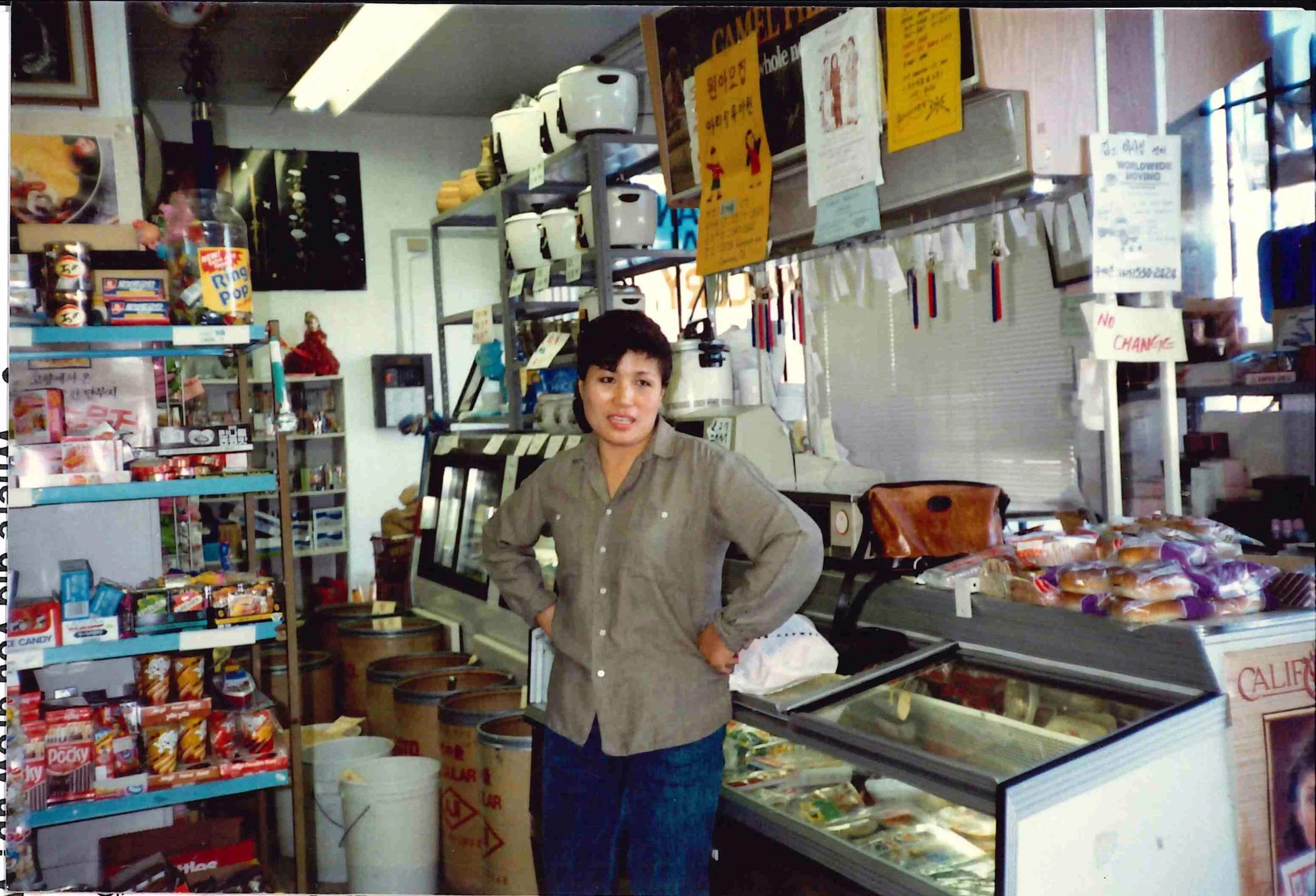
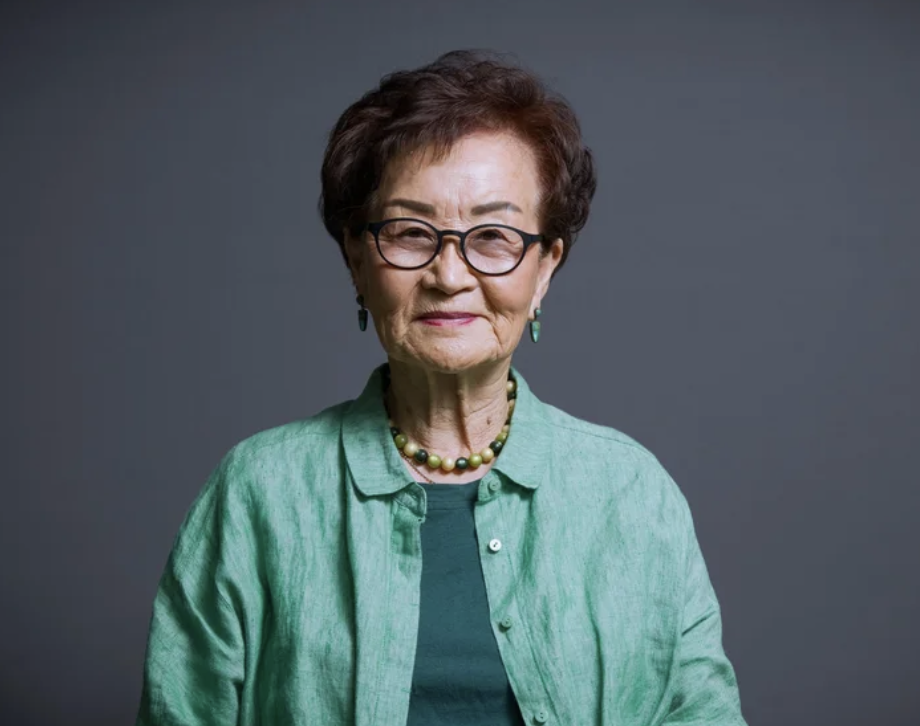
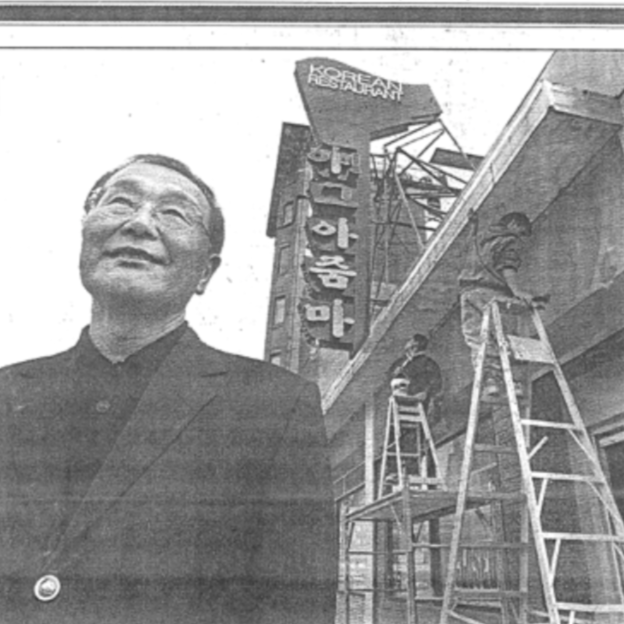
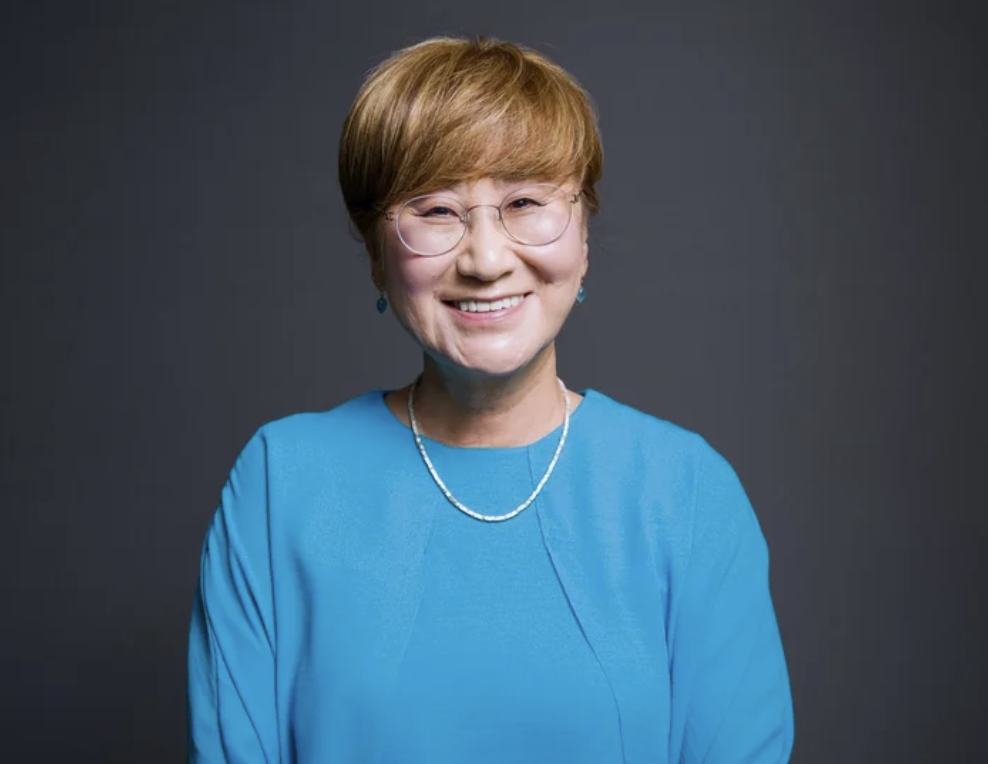
June Lee has been the Executive Director of the Korean Community Center of the East Bay since 2010. KCCEB is a multi-service non-profit organization that aims to empower and provide resources to immigrants in the East Bay. In this interview, Lee shares about where her passion for people and community began – her own father. She speaks about how she decided to get involved in non-profit work after the birth of her daughter, and her desire to create purpose-filled stories to tell her in the future. As Executive Director, Lee shifted KCCEB from a primarily service delivery, implementing a more integrated approach to community empowerment and engagement.
-
![]()
Jane Kim
Though her family originally hailed from North Korea, Jane Kim was born near Seoul, Korea. She came to Pomona, California, in junior high school when her father moved to the U.S. to study theology. As an undergraduate at UCLA, Jane became involved in community service at the Chinatown Service Center and the Korean Youth Center. She was the first executive director of the Korean Youth Center, a nonprofit organization that was founded in 1982 and eventually evolved into the multiethnic social service agency, the Koreatown Youth and Community Center.
-
![Jung Koo Kang]()
Jung Koo Kang
Jung Koo was born in Gyeongsangbuk-do, South Korea, and emigrated to Kansas in 1975 before settling with his family in Los Angeles, California. He worked in the apparel and manufacturing industry for several decades before becoming the President of the Korean Senior Citizens Association and the Samiljeol (March 1) Memorial Project. He also created the Hanmi Silver Club, a travel and community service organization for older adults in Koreatown.
-
![Michelle Park]()
Michelle Park
Michelle Park was born in Osaka, Japan, in 1940. As a Korean-Japanese woman, she learned Korean after she immigrated to Hawaii in 1974. Being fluent in Japanese, one of her earliest jobs in America was at the airport in Hawaii. She asked to be transferred to Los Angeles to be closer to family and saw Koreatown grow from its earliest days, when there was only one Korean market, to the thriving neighborhood it is today.
-
![Sye Jak and Yung Oh]()
Sye Jak and Yung Oh
The Ohs arrived in the United States in the early 1970s from South Korea and lived in Los Angeles’ Koreatown for several years. Like many Korean American immigrants at the time, Mr. Oh held many positions, from being a busboy to working at a wig company to being a stockbroker and serving as the representative of a manufacturing company. He worked for over 50 years in the U.S. Mrs. Oh arrived in the U.S. when she was a college student. The Ohs discuss their lives as older adults in the U.S., happily retired in Concord, California, where they moved to enjoy time with their grandchildren.
-
![]()
David Jeonghan Park
Dr. David Jeonghan Park was born in South Korea and emigrated to South America in elementary school. Dr. Park lived in Asunción, Paraguay, during his elementary and middle school years and then immigrated to Buena Park when he was in high school. Dr. Park is the director of oncology at St. Jude Medical Center in Fullerton, California. He is also the father of Abbi-Hope Jihye Park, a KSP youth participant who attends the Orange County School of the Arts.
-
![]()
Jennifer Wong
As the inaugural director of Wallis Annenberg GenSpace in Los Angeles, Dr. Jennifer Wong spearheaded a vibrant community center challenging ageist stereotypes, forging partnerships across sectors to reshape the dialogue on aging and longevity. She is currently the principal consultant of JLW Consulting and Advisory LLC, leveraging her expertise in research, leadership, and policy to drive social impact. She holds a Ph.D. in Experimental Psychology from the University of Montana, a Master of Arts in Psychology from Sacramento State, and a Bachelor of Arts from the University of San Francisco.
-
![Silvia Coss]()
Silvia Coss
Silvia Coss immigrated to Los Angeles from Coahuila, Mexico, over 30 years ago. A single mother to two daughters born in the U.S., she has worked as a nanny and housekeeper. Silvia plays an active role in a KYCC community group, MUEC (Manos Unidos con Esperanza por la Comunidad — Uniting Hands with Hope for the Community), and became politically active during the pandemic, campaigning for local officials and providing resources and vaccination appointments for the community. She spoke candidly about the differences in elder care in the U.S. and Mexico, reminisced nostalgically about rancho life as a young girl, and talked about her wishes for growing older independently.
-
![Stella Pak]()
Stella Pak
Stella Pak arrived in Hawaii in 1976 from South Korea. She and her husband worked for nearly 40 years in the U.S., where her son and daughter were born. Despite raising her children to speak Korean and observe Korean values, she talked about her children’s eventual assimilation into American culture. Stella discussed being older and middle class in America, the lack of financial security without a decent pension, and the rise in anti-Asian violence from the 1992 civil unrest to the COVID-19 pandemic.
-
![Sunny Lee]()
Sunny Lee
Sunny Lee arrived in Hawaii from South Korea when she was 1 year old. She was raised in southeast Los Angeles and later attended college in Santa Barbara, California. Once she and her family immigrated to Los Angeles, her father became the owner of a liquor store that was later looted during the 1992 Los Angeles riots. Due to the aftermath of the riots, her family faced significant hardship. However, their faith and connection with the church community saw them through it. She discussed the Korean War and its effects on her family, the Los Angeles riots and the impact it had on immigrant small business owners, and her career change to working with the immigrant older adult community. She also offered insight from her experience navigating care for her parents as they aged and the importance of culturally sensitive eldercare.